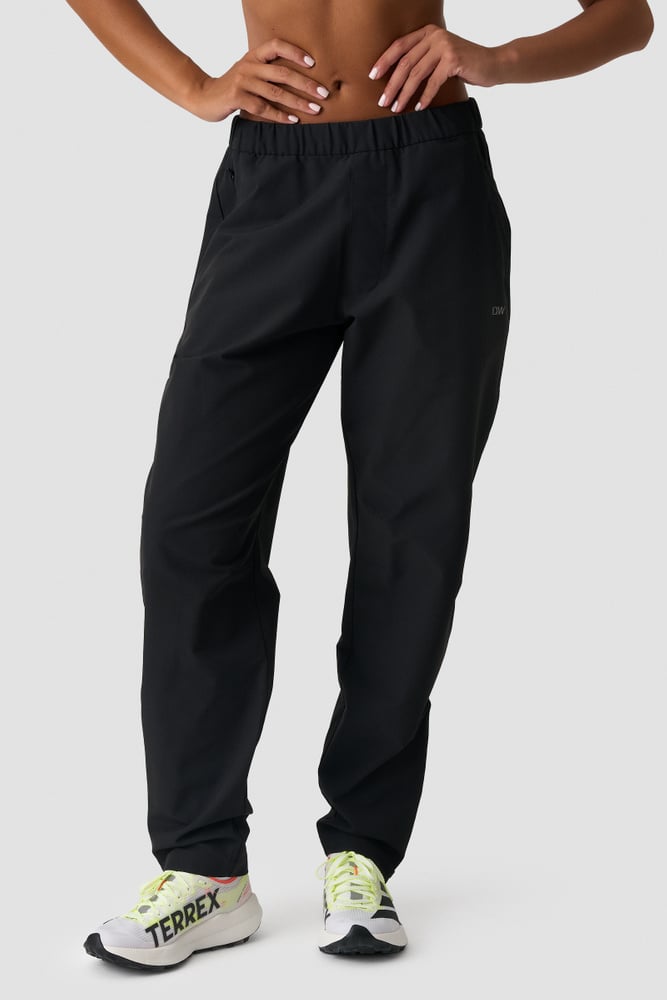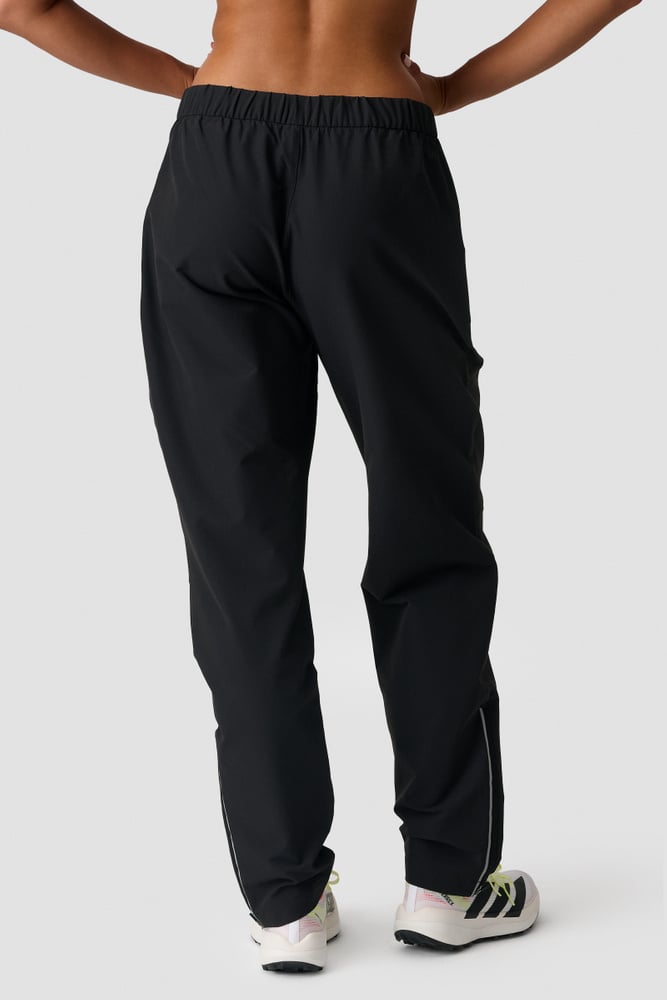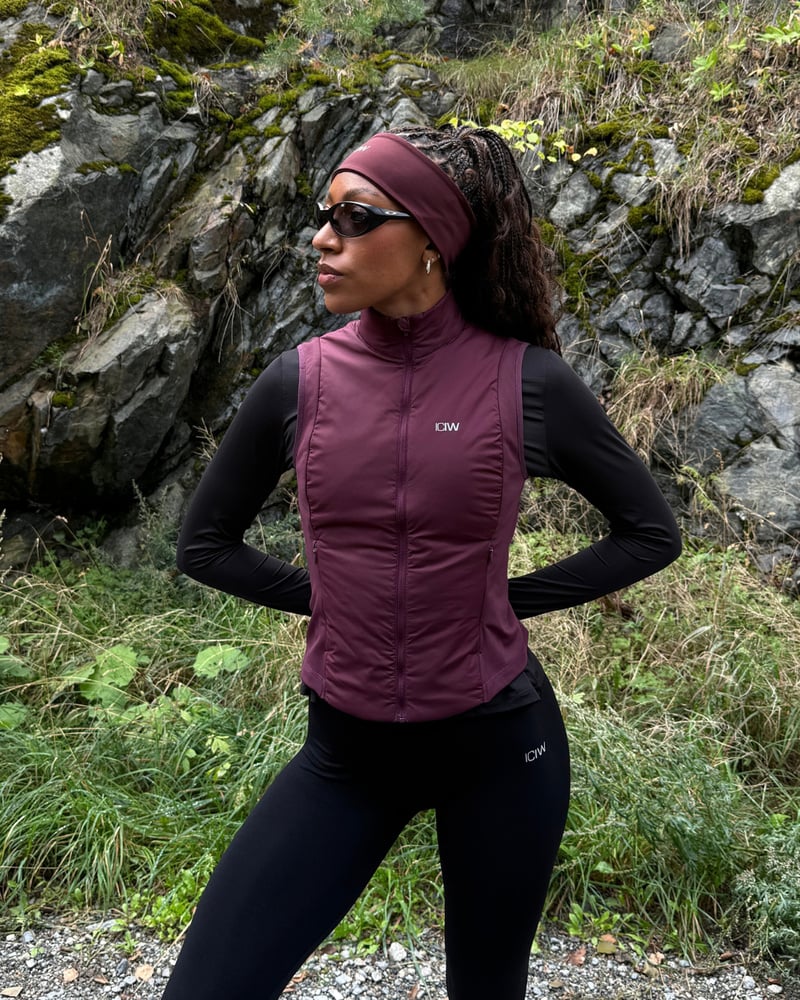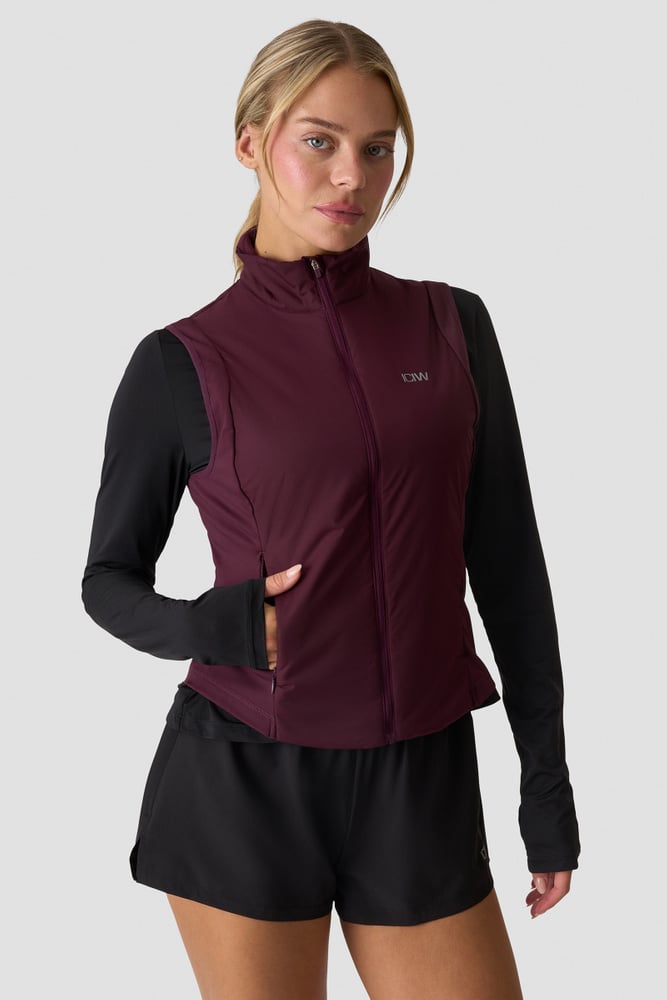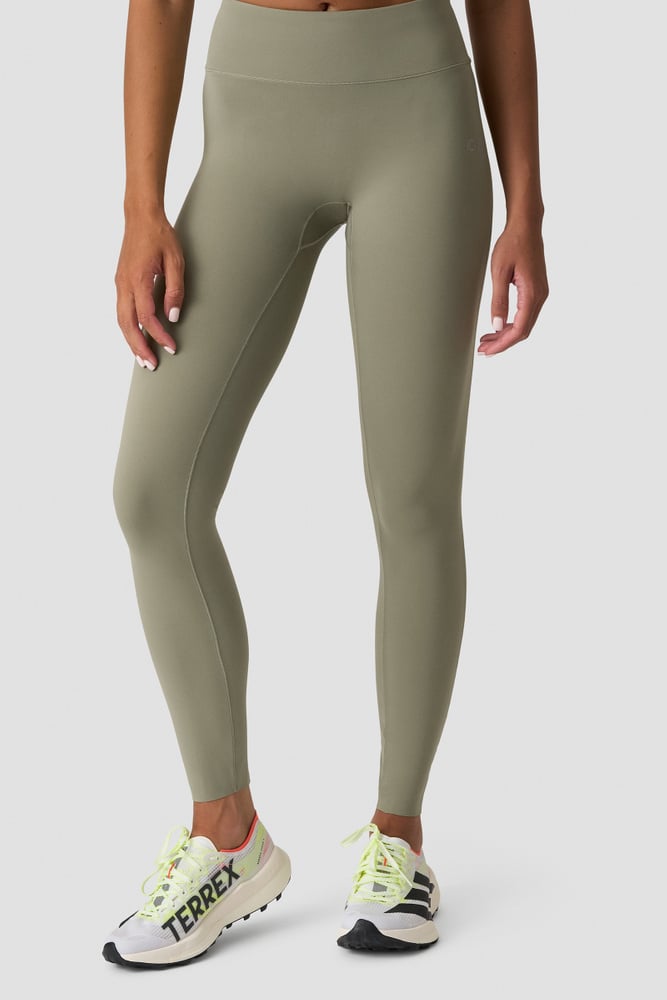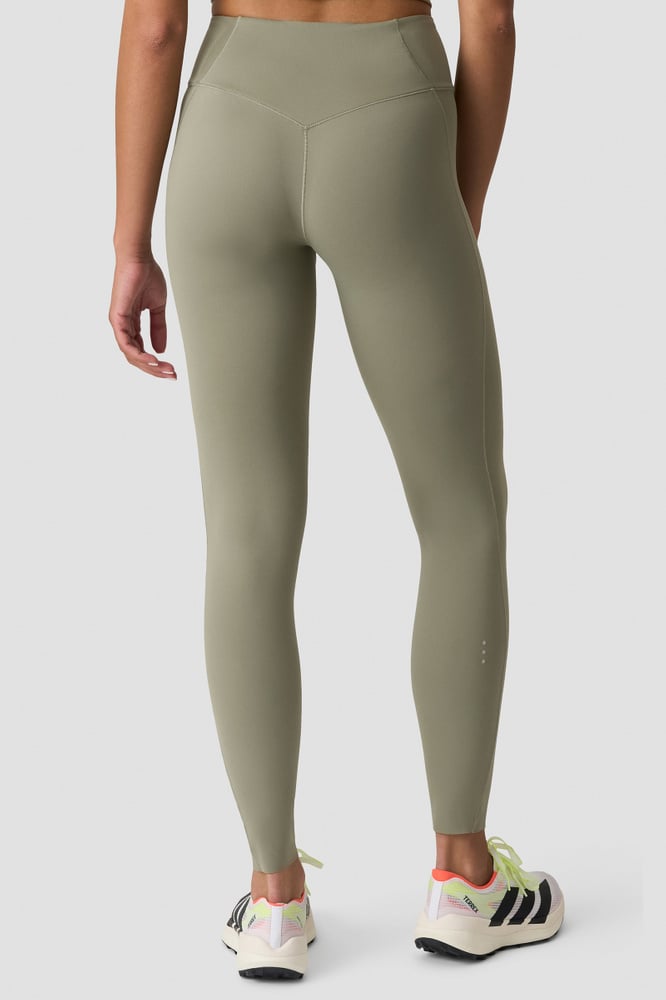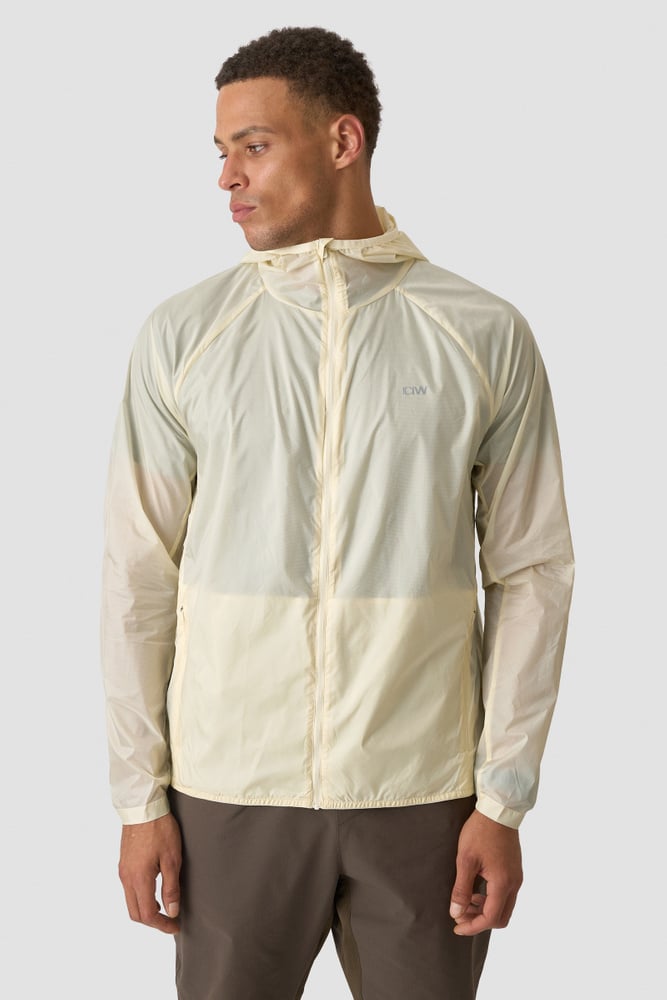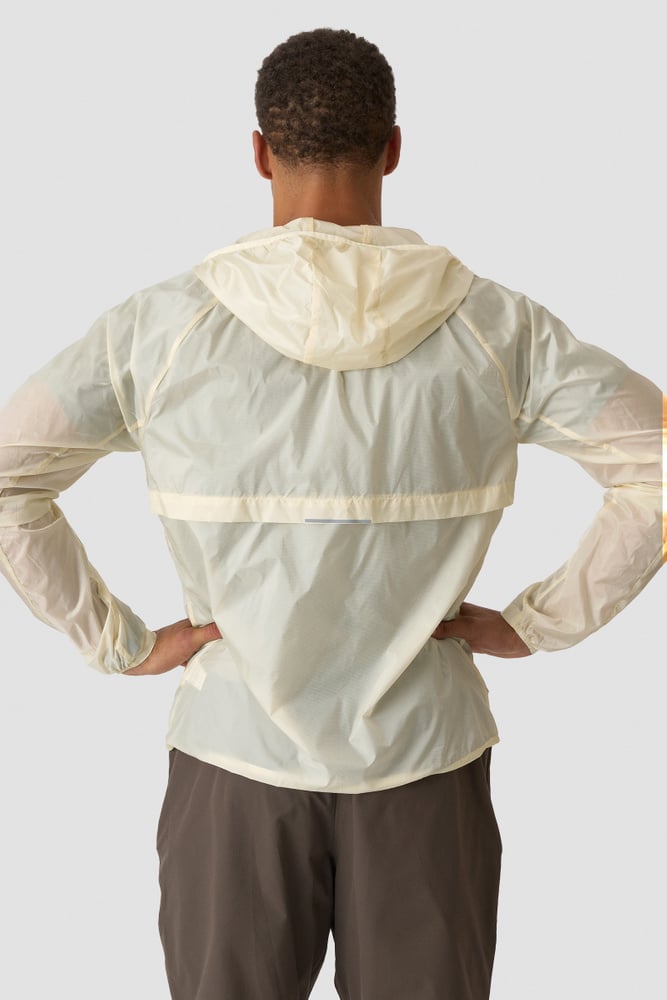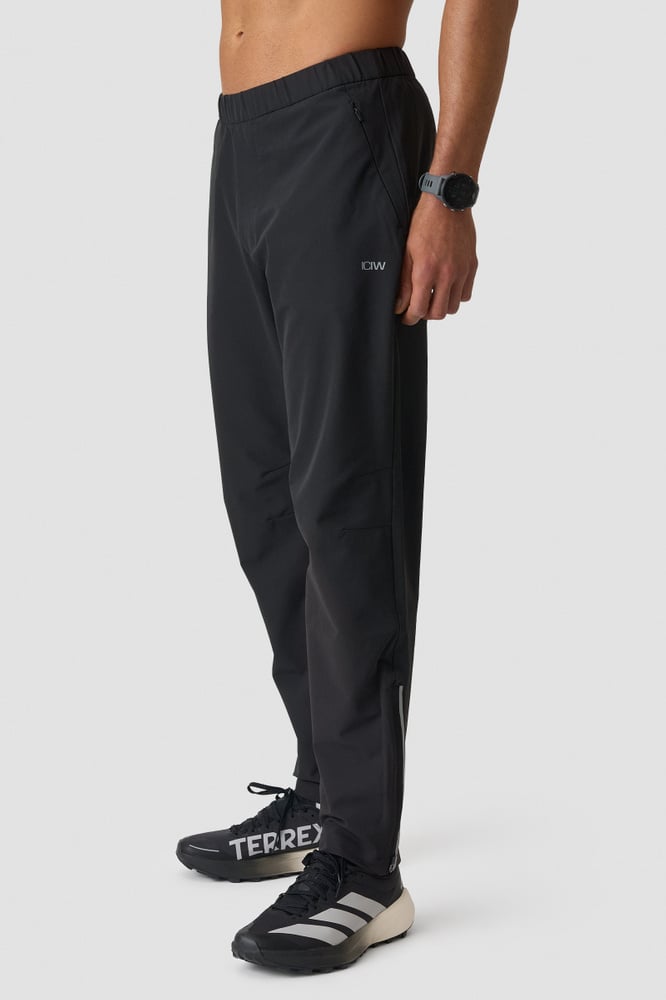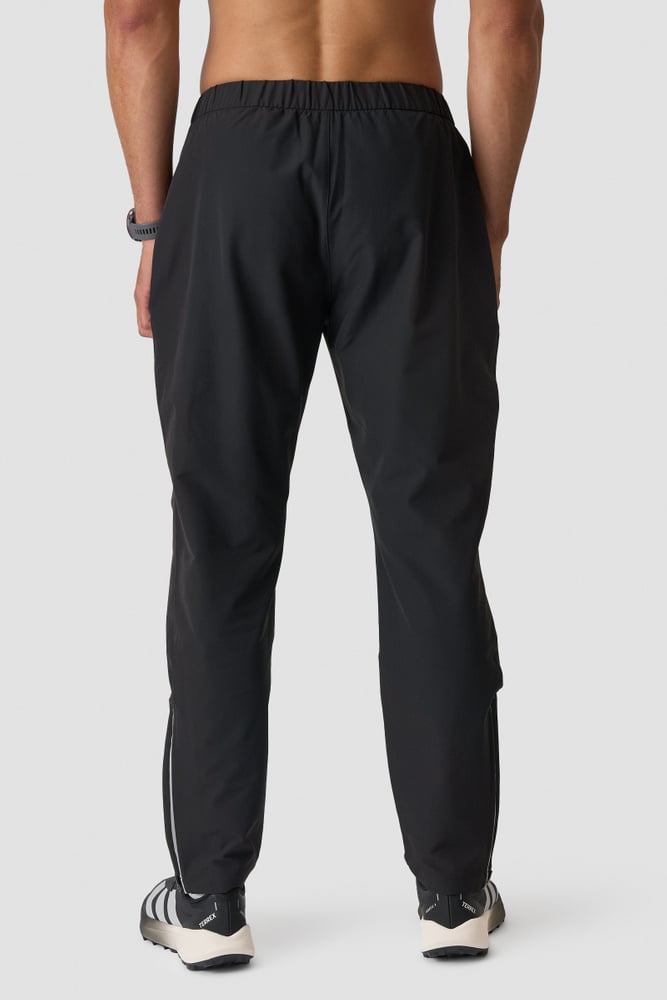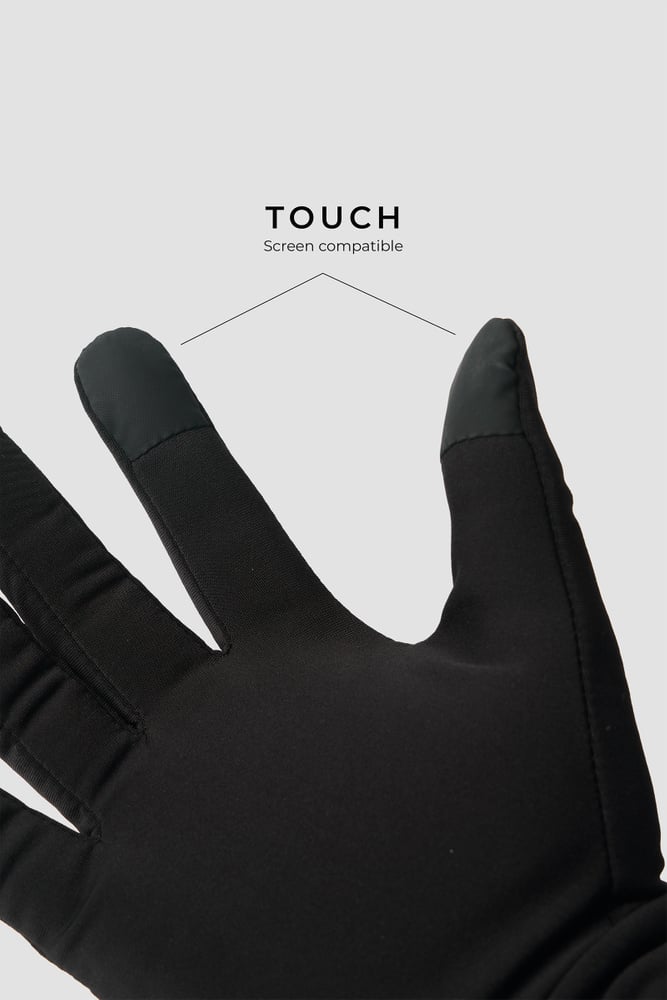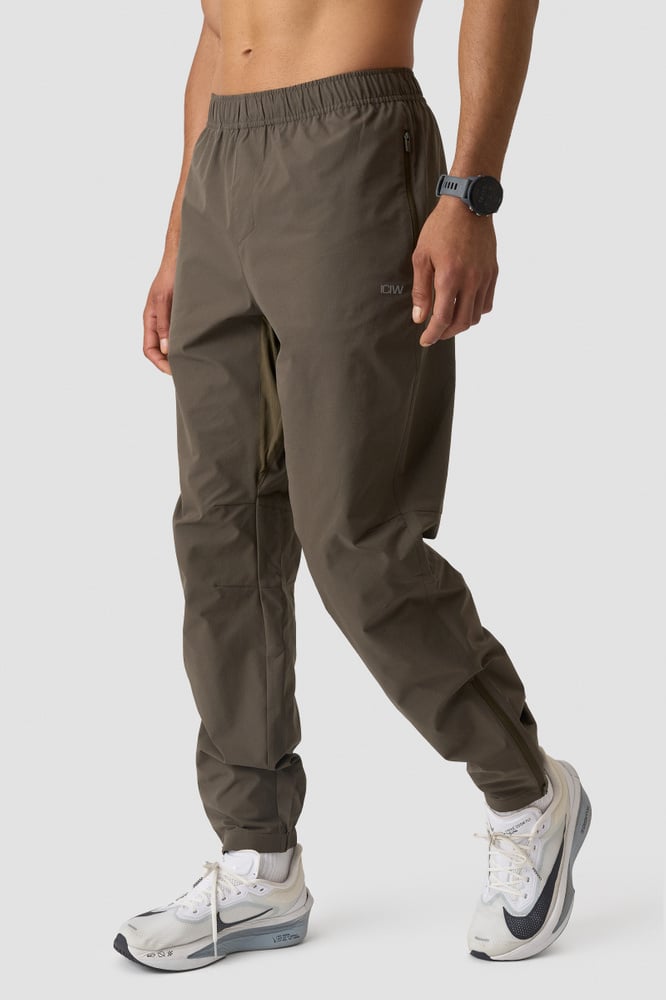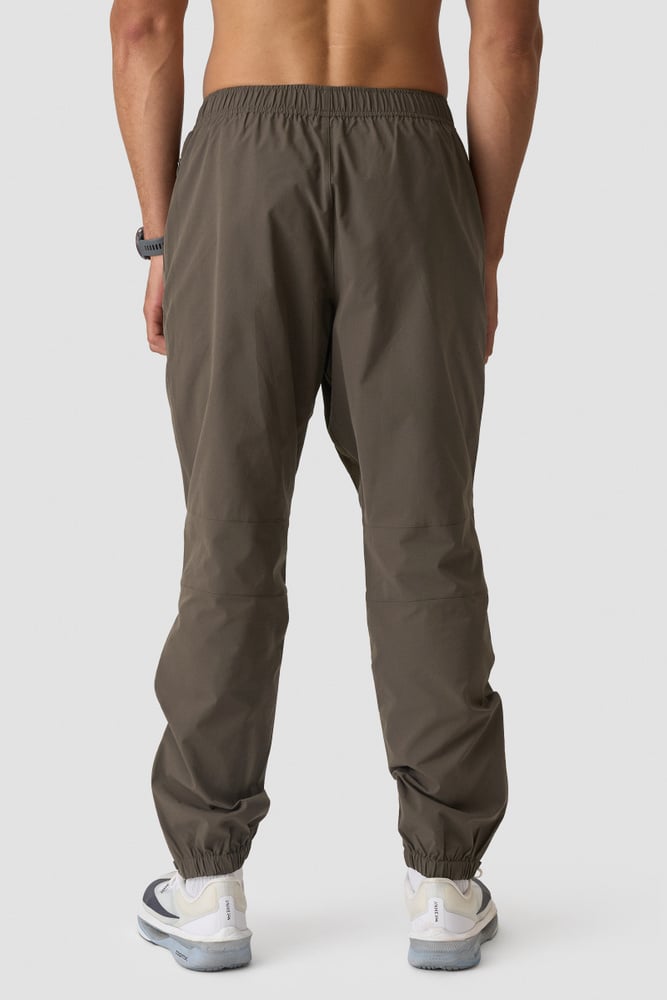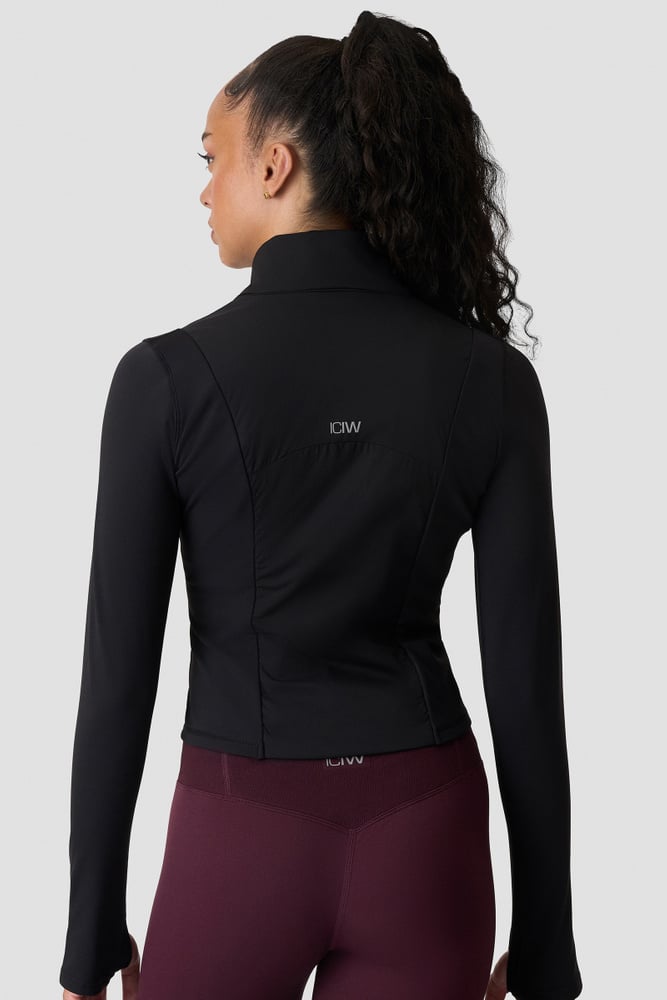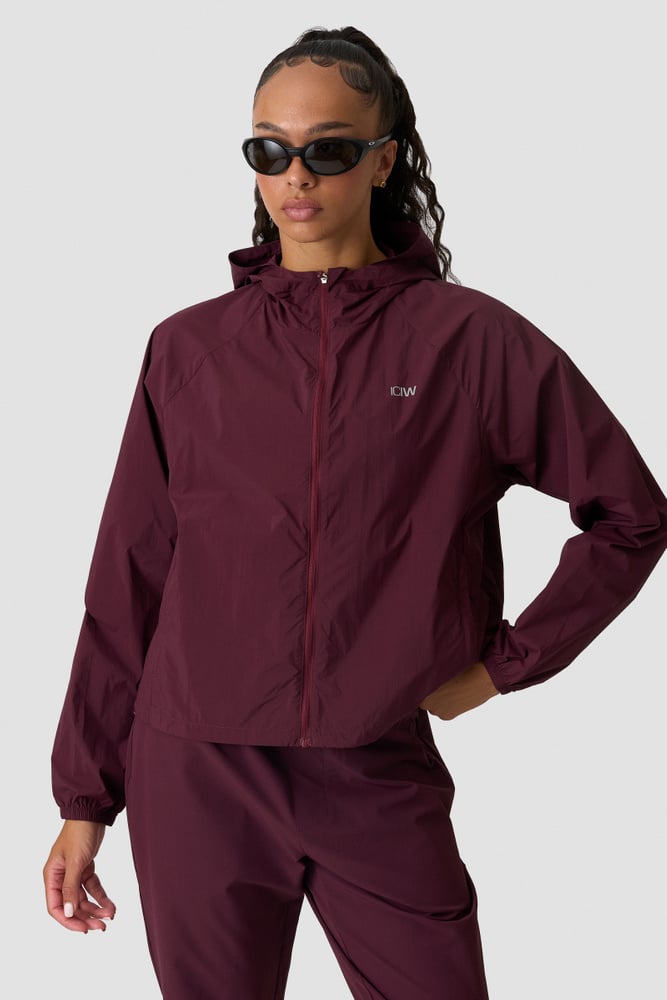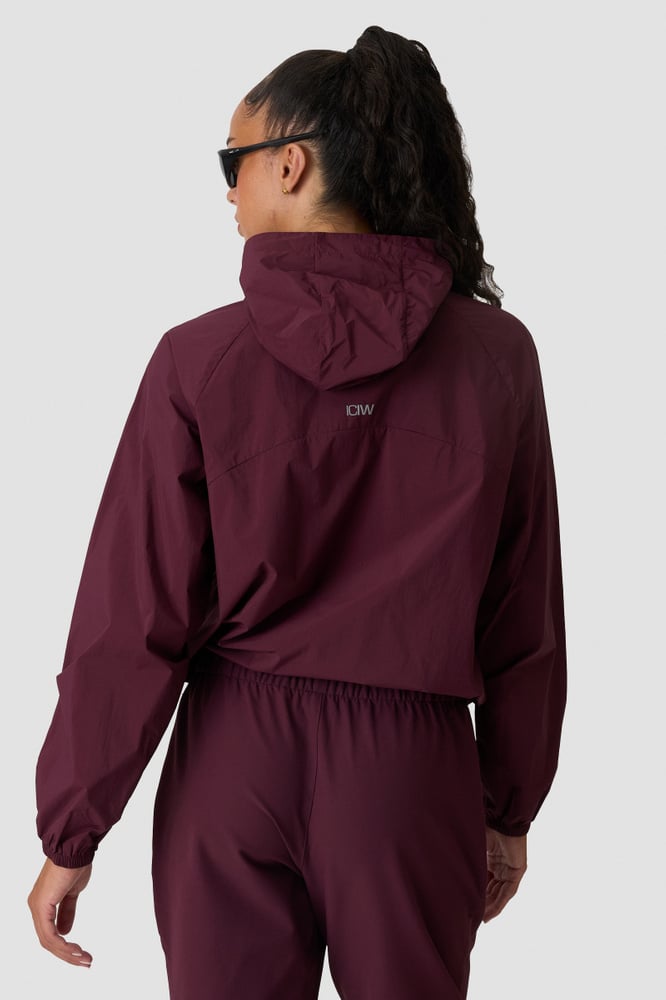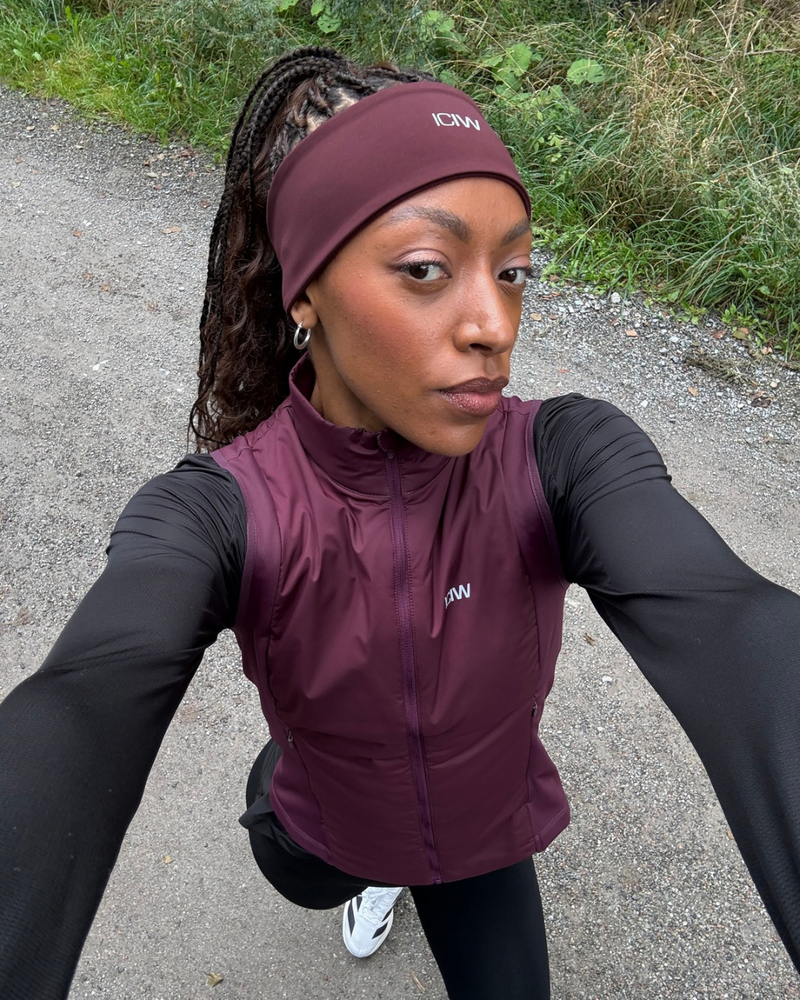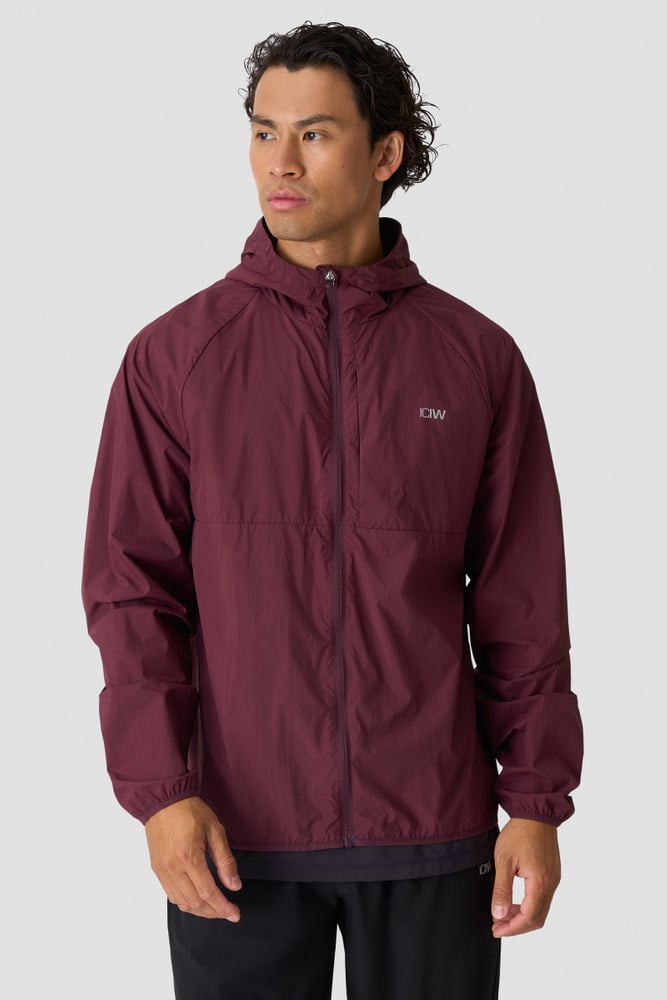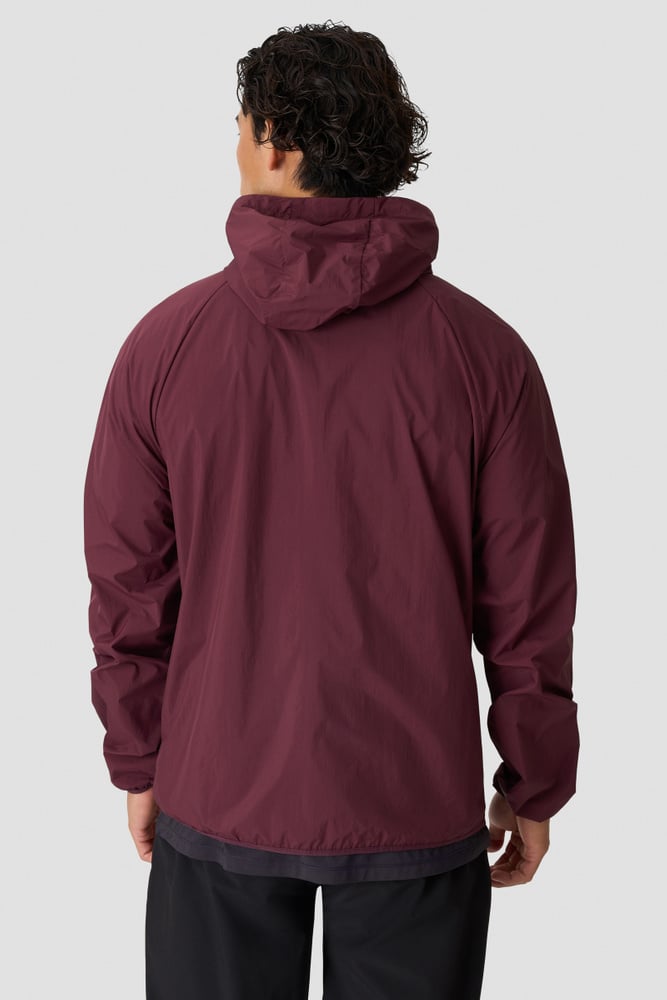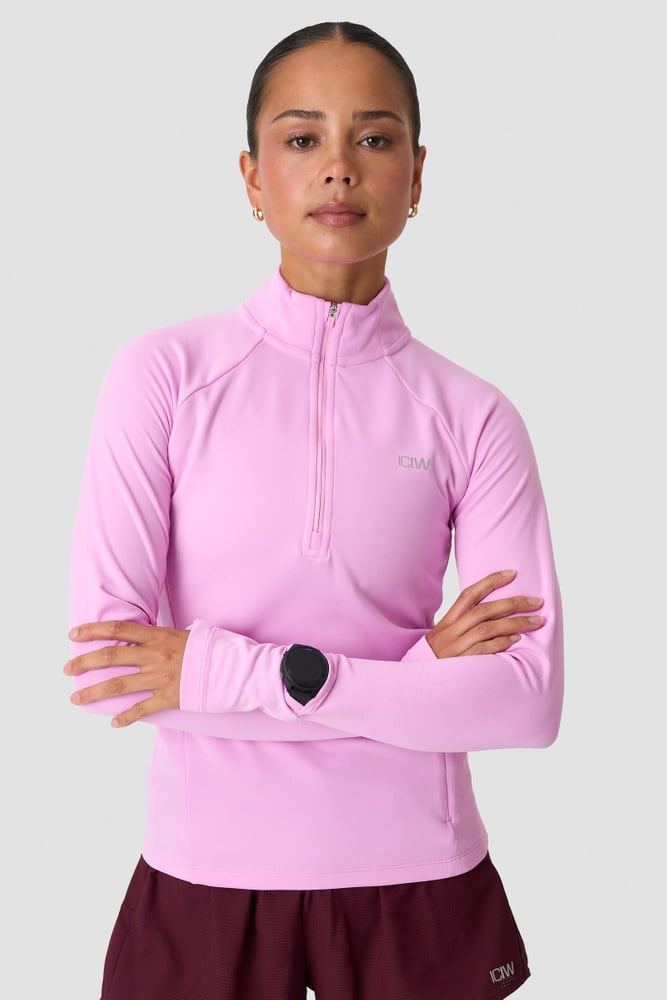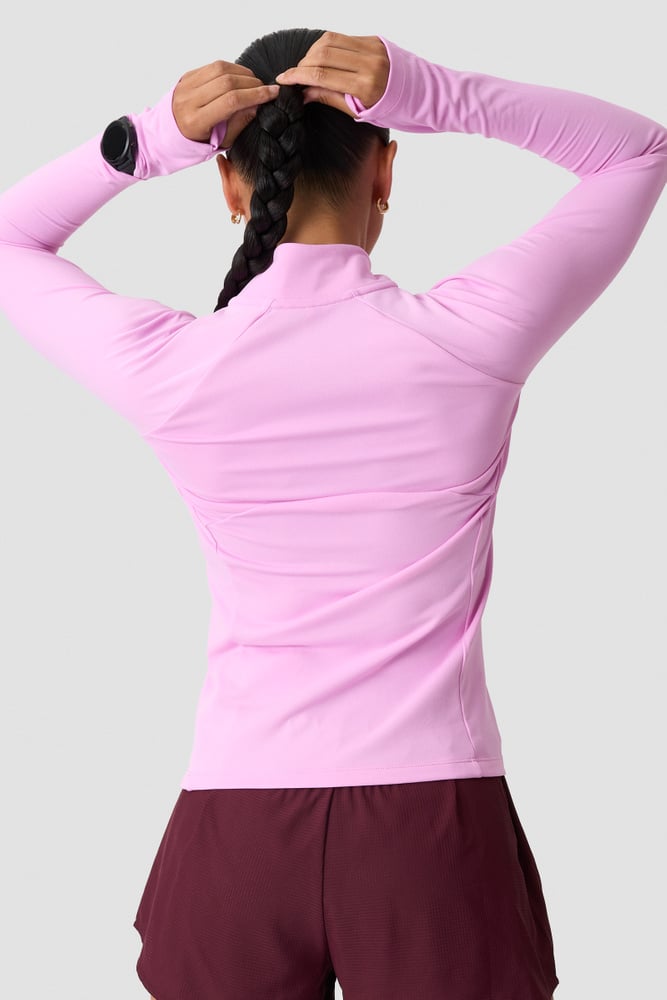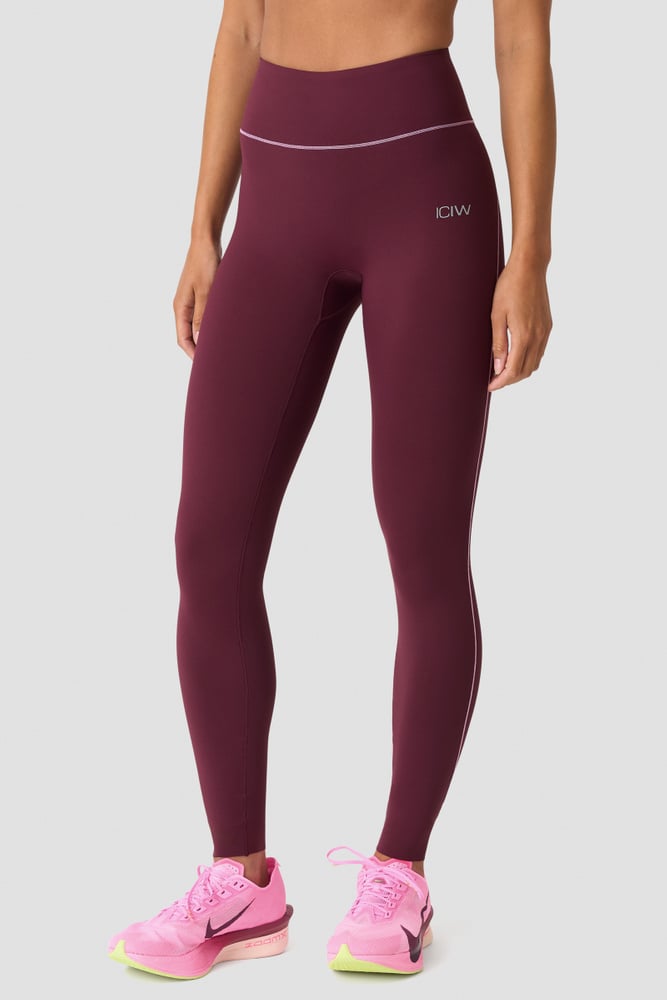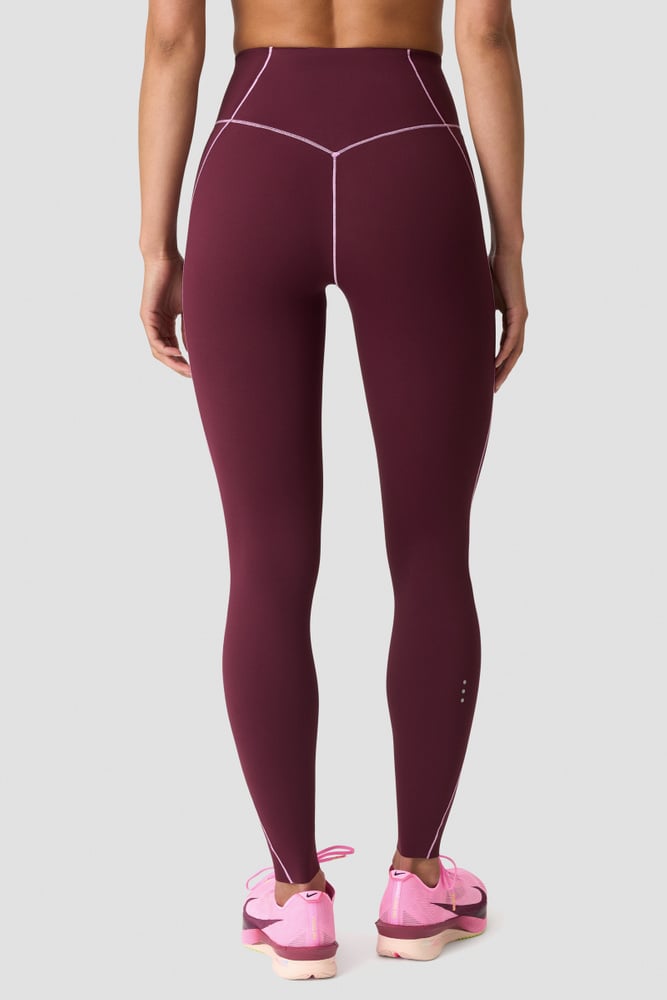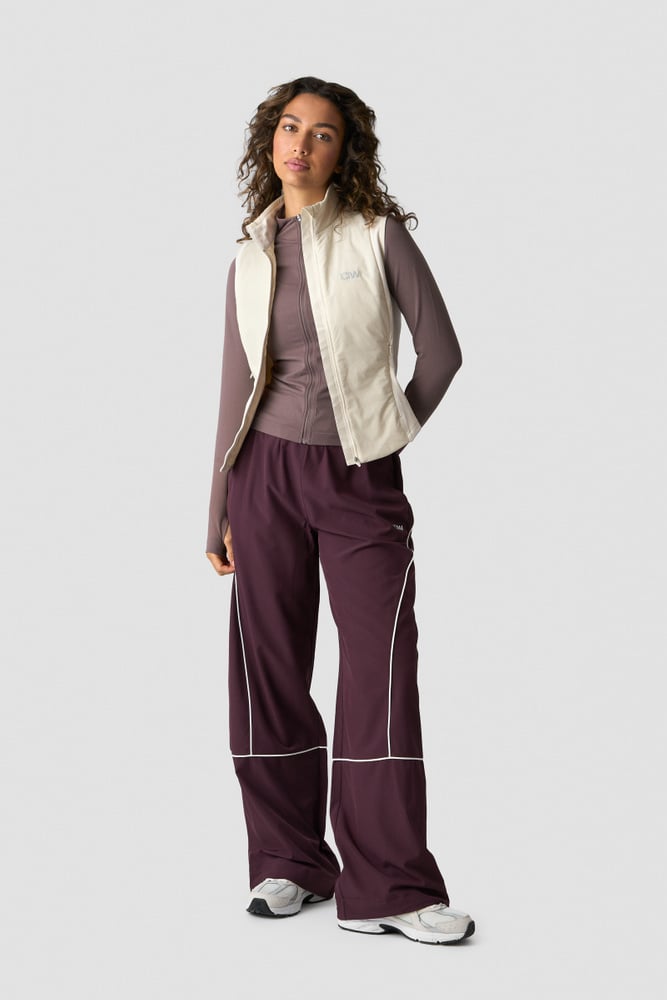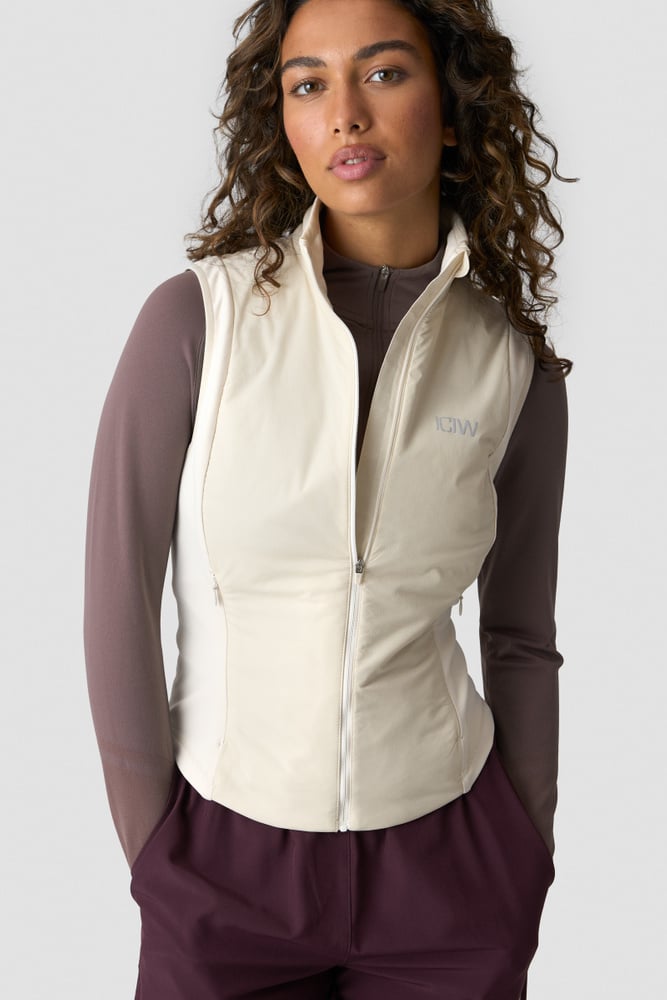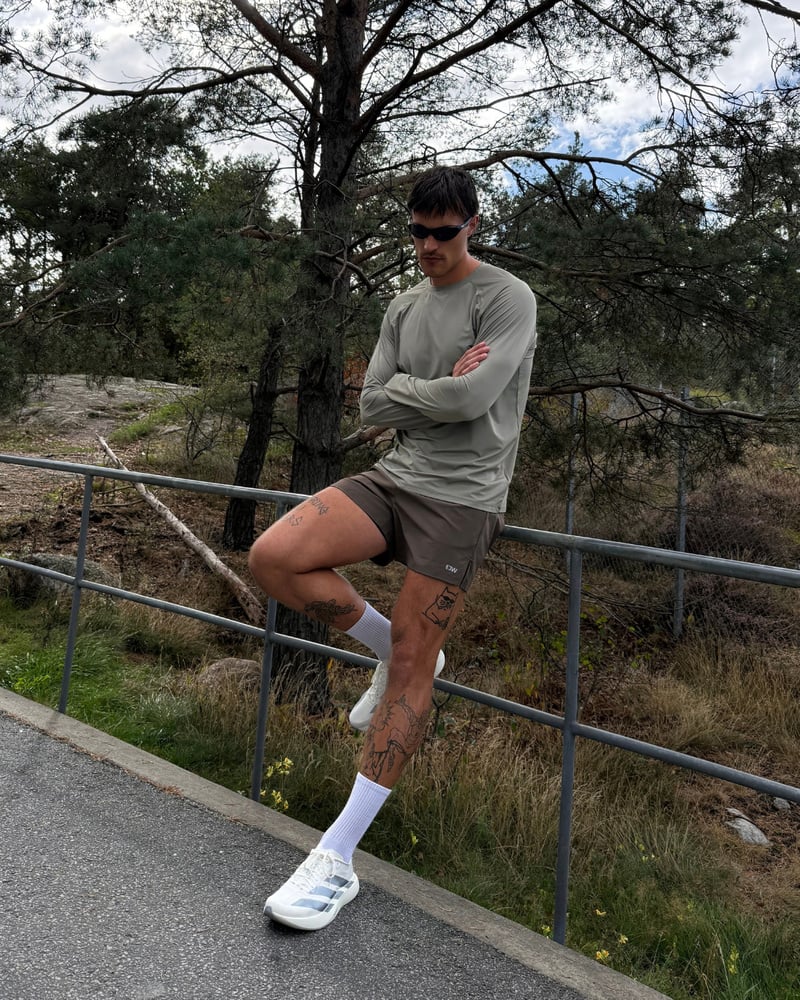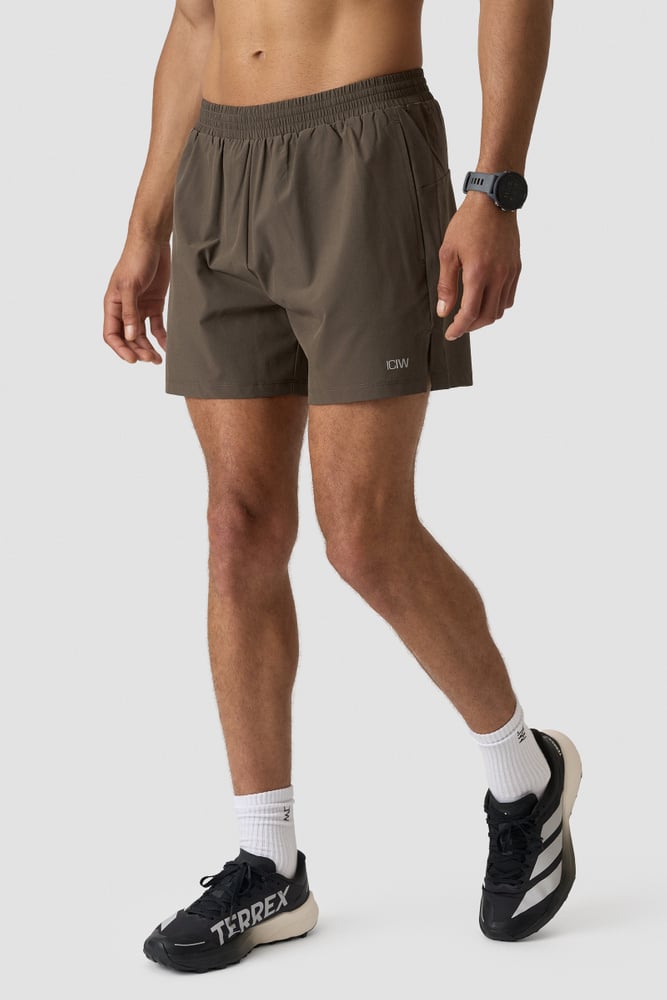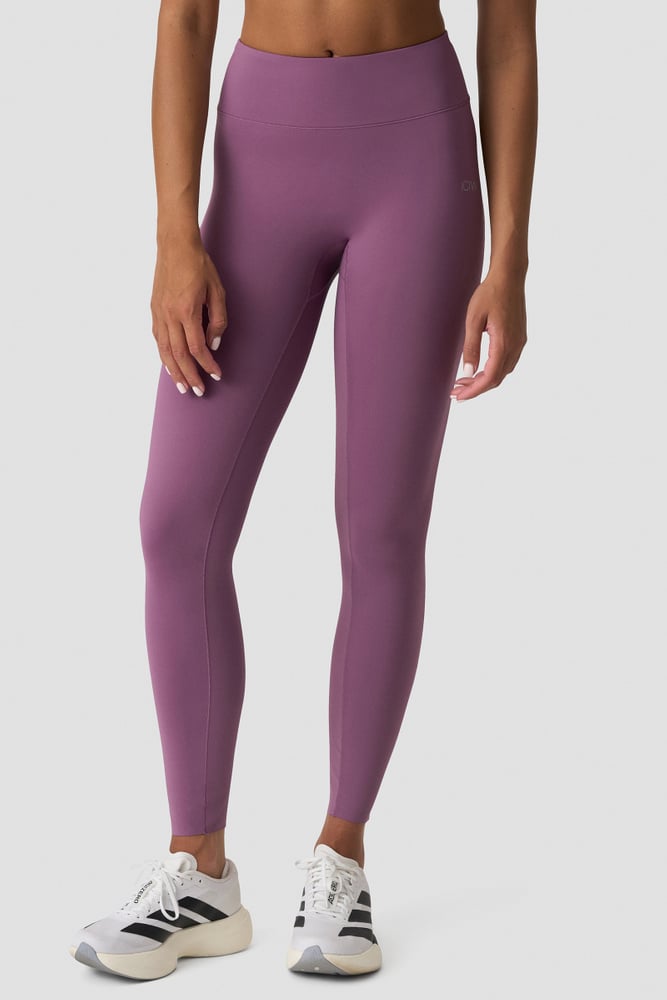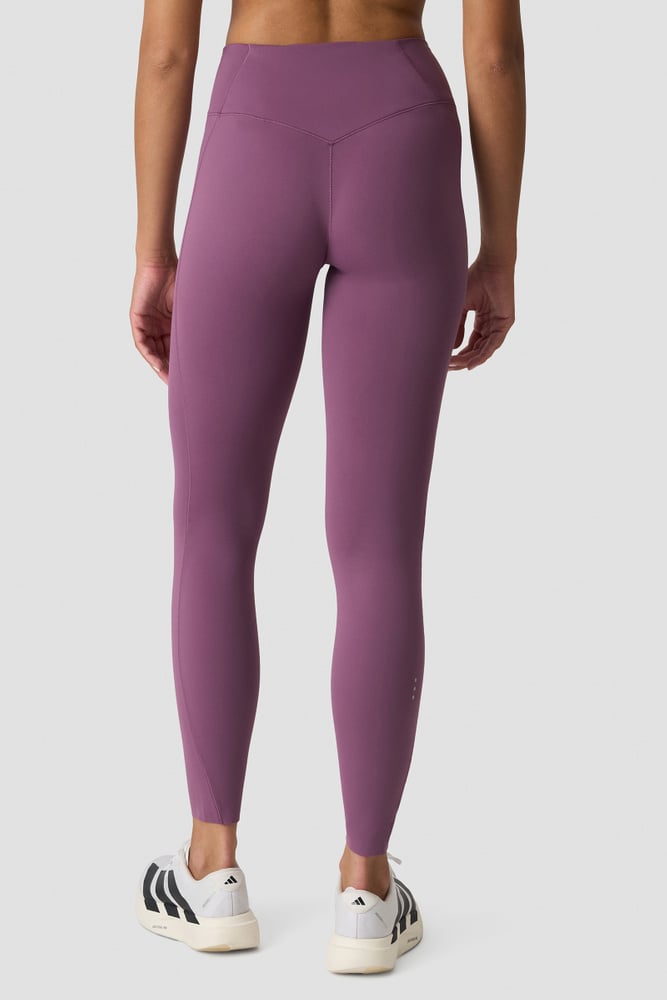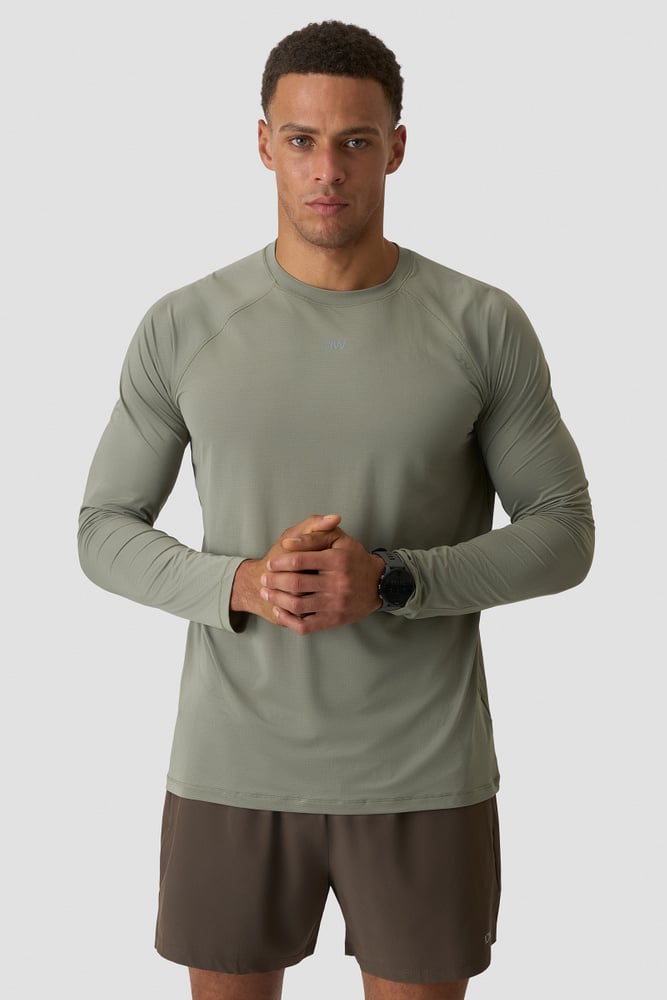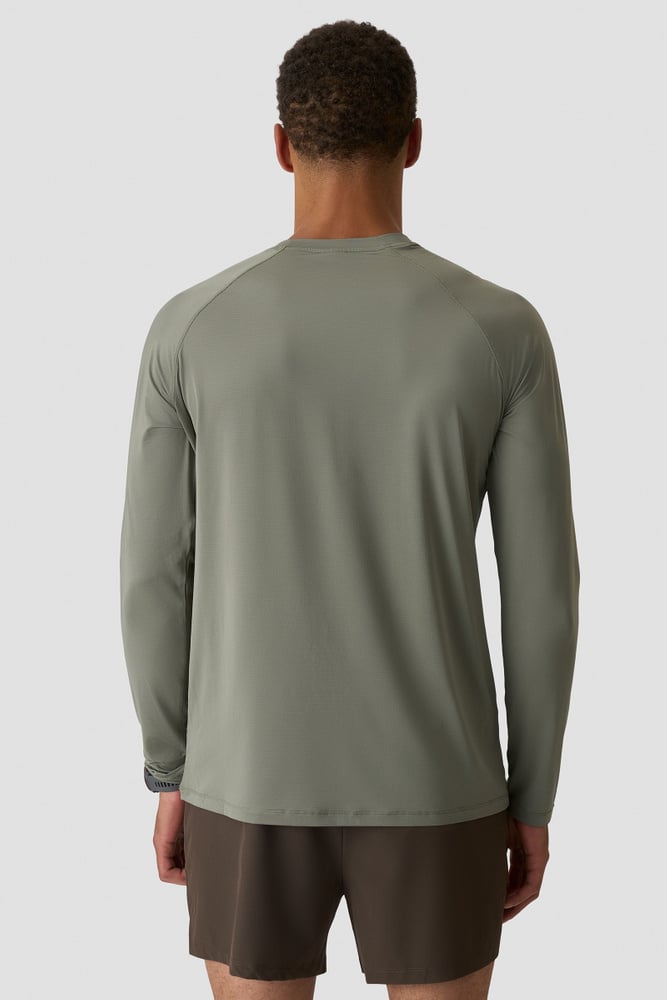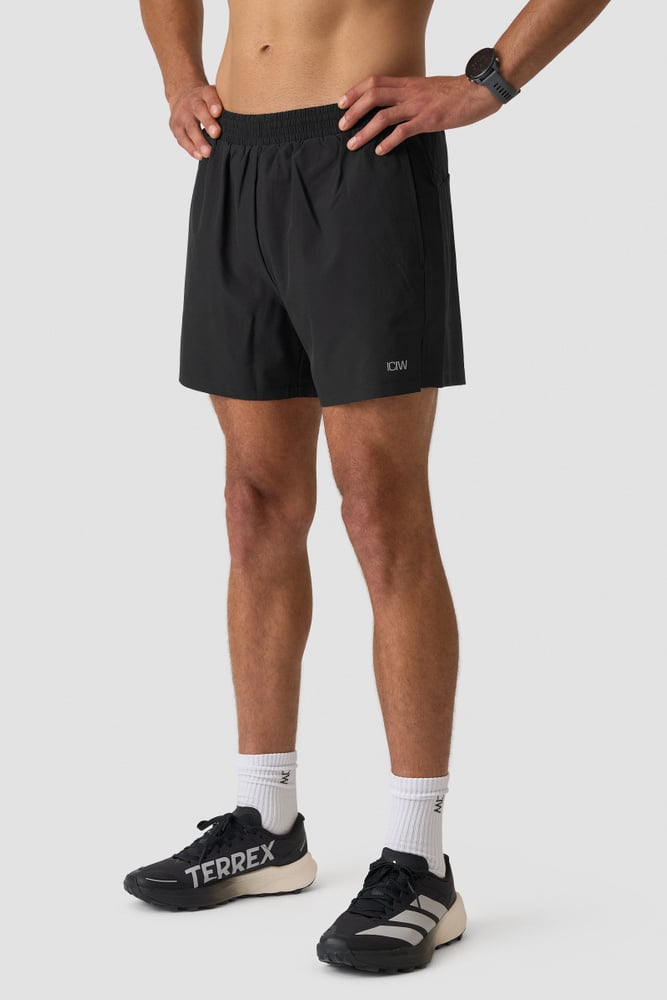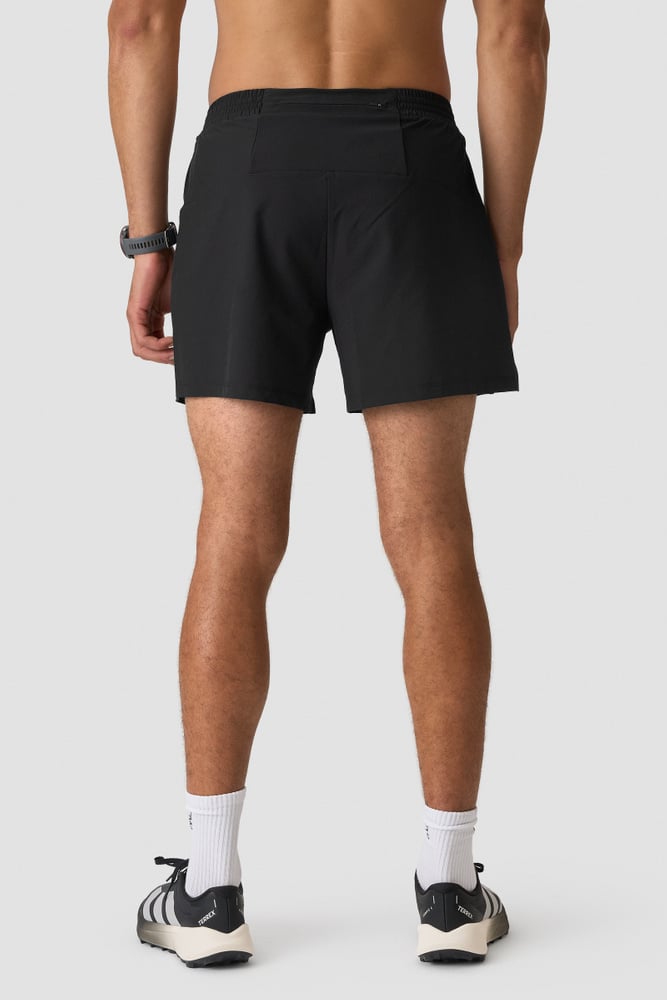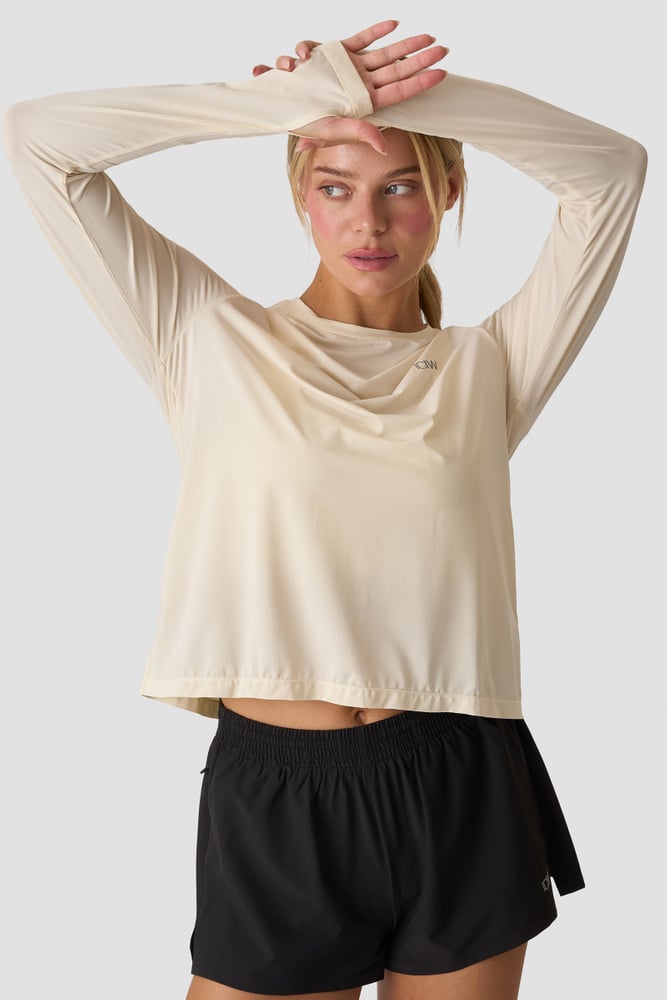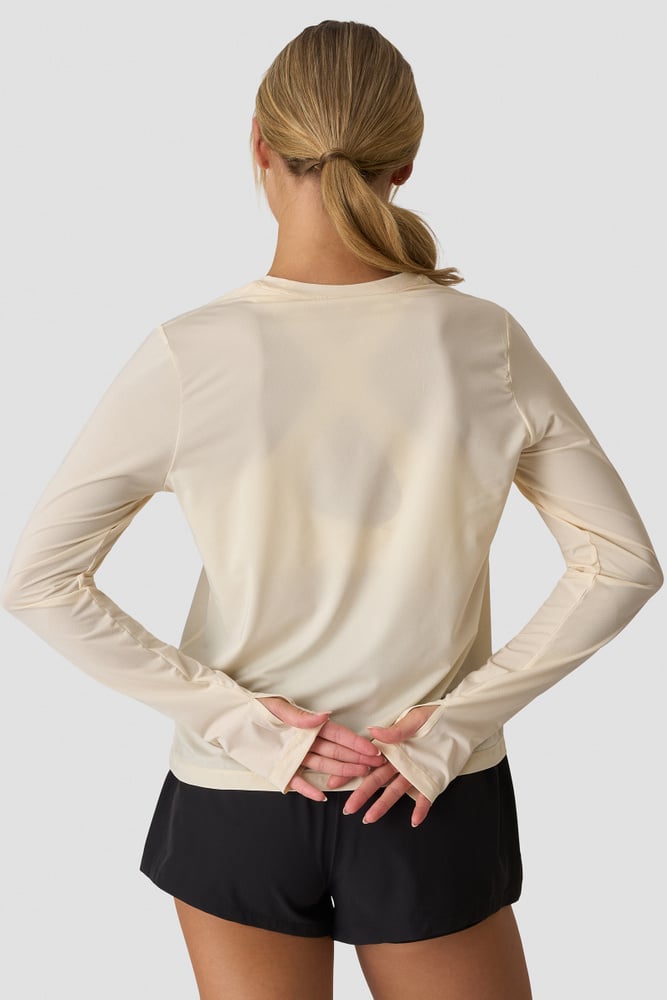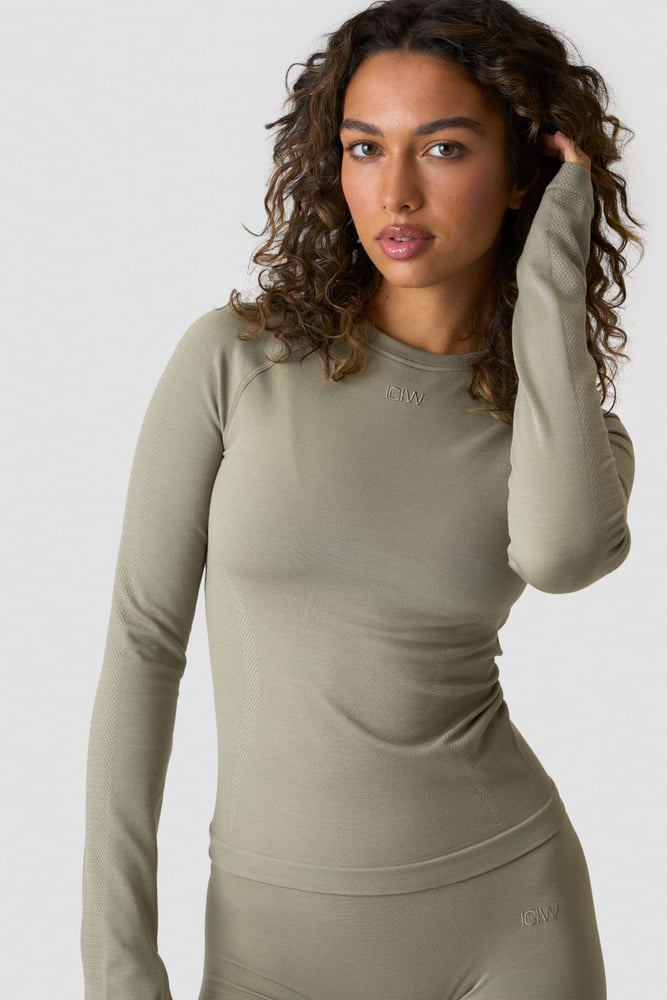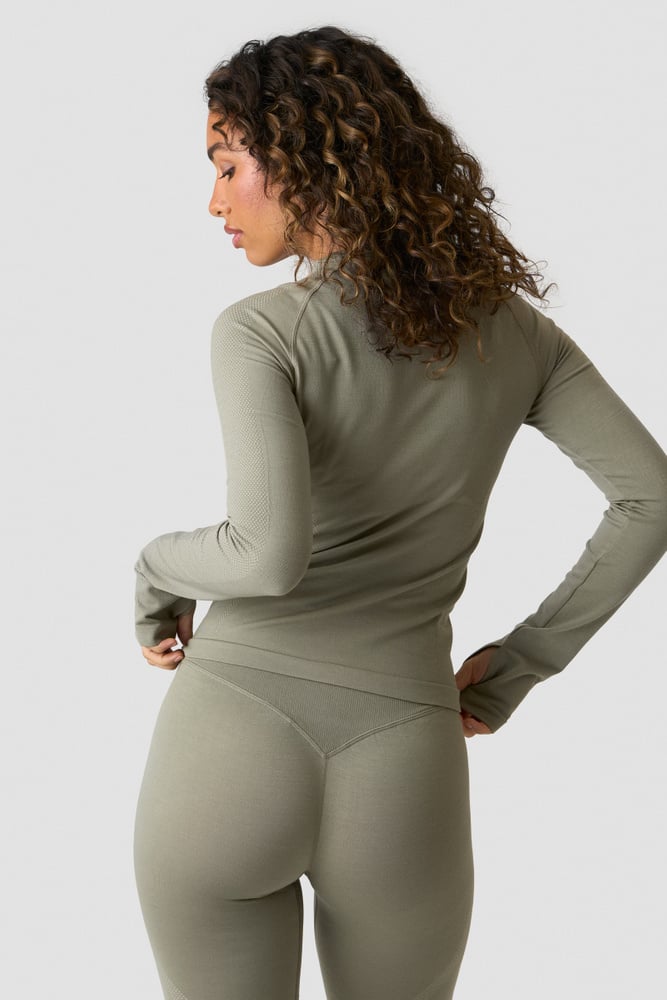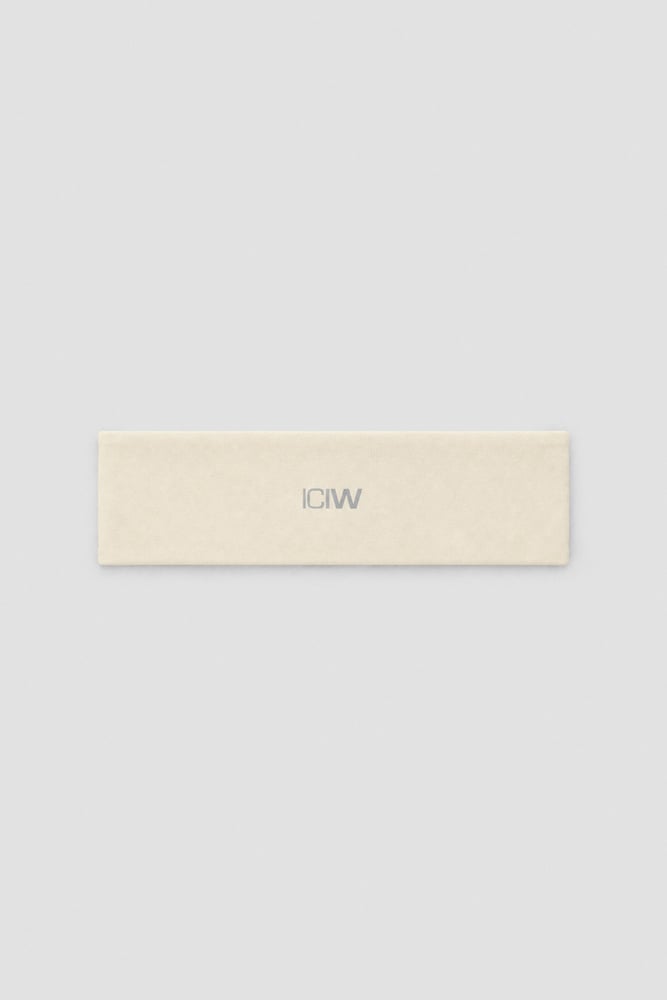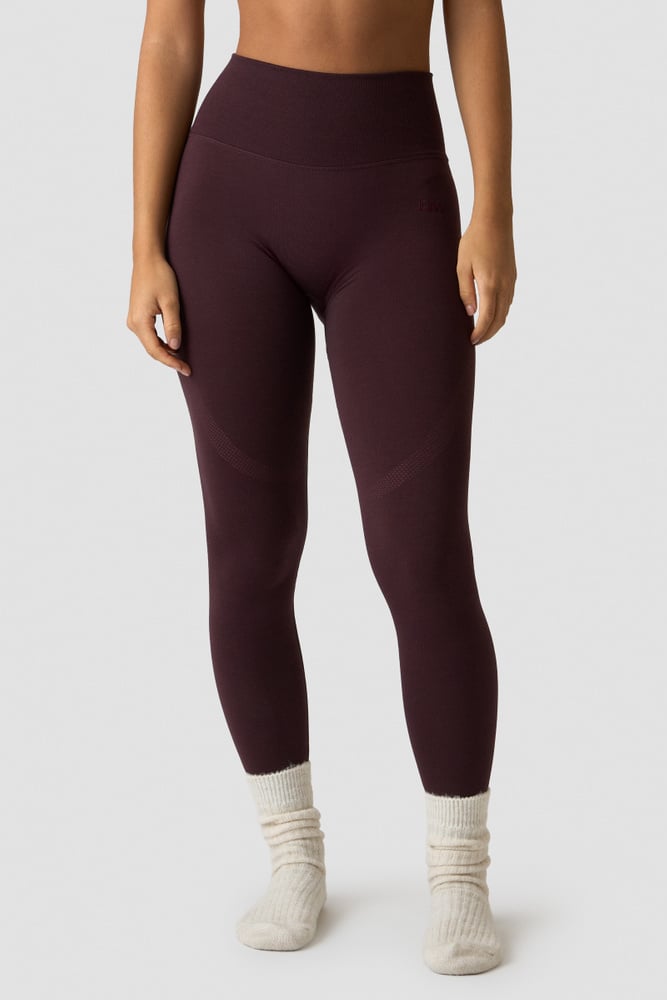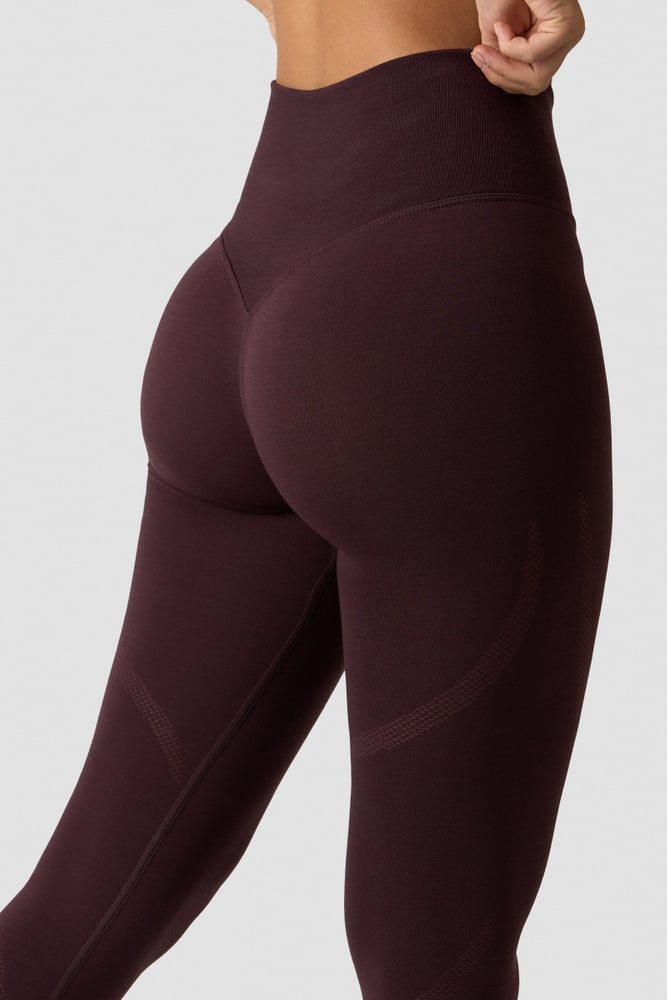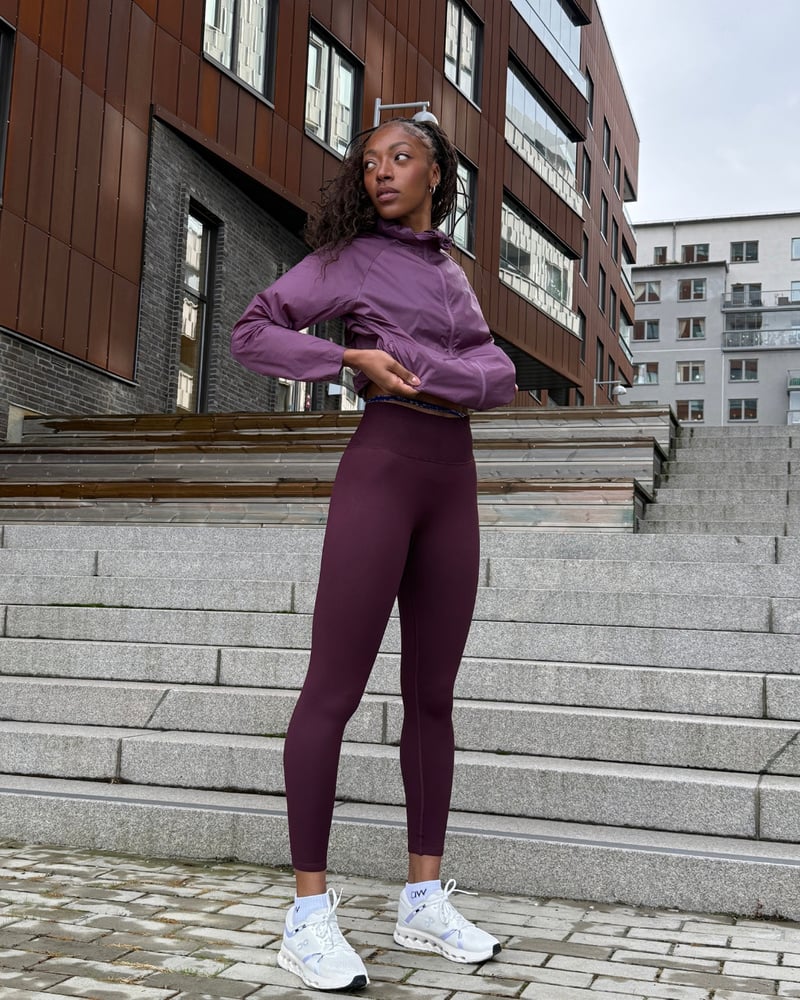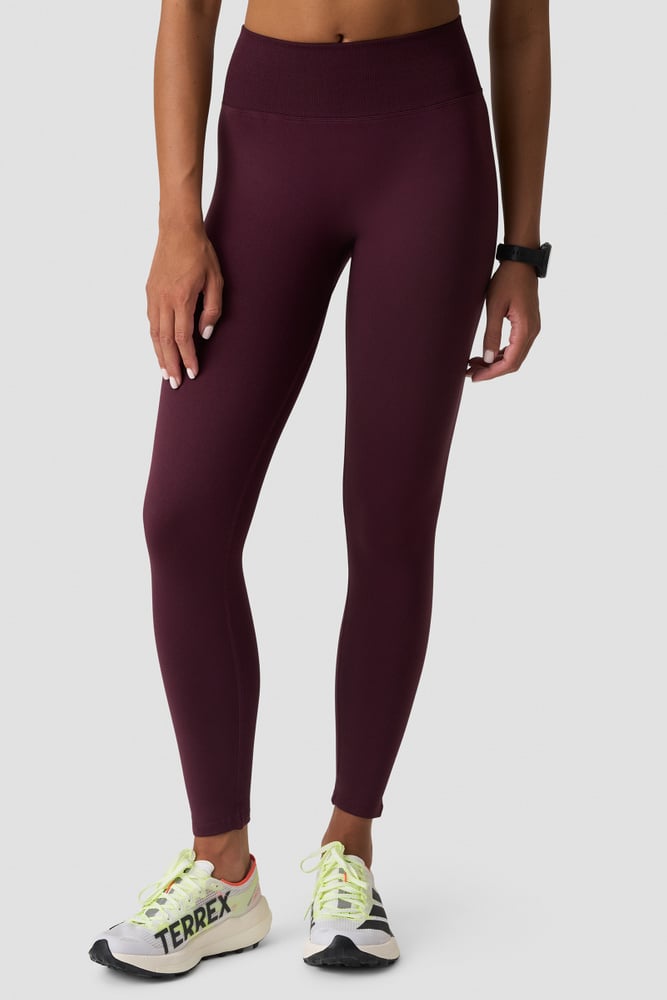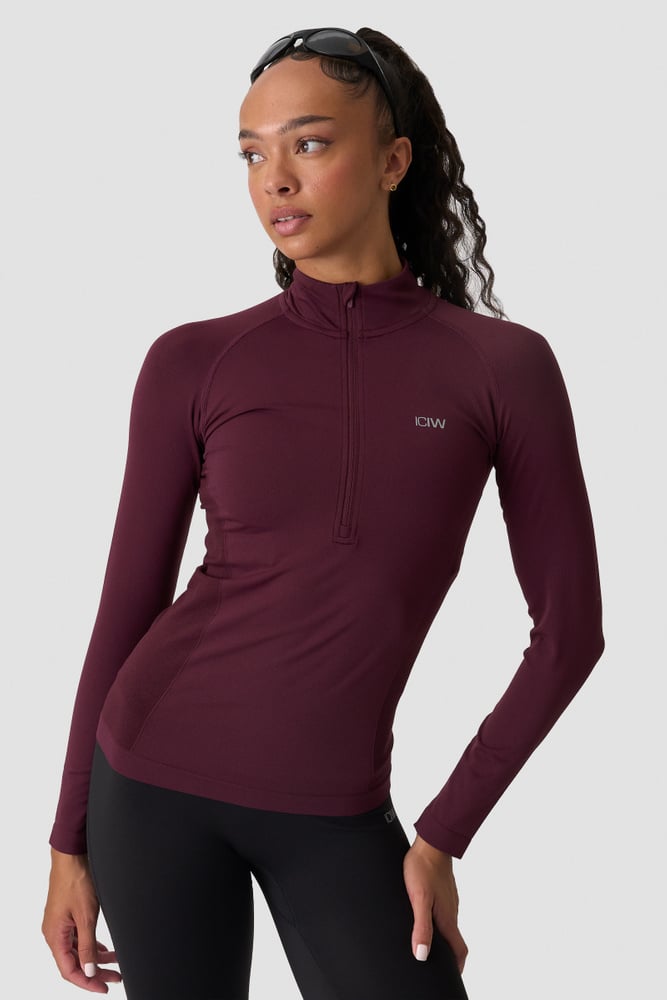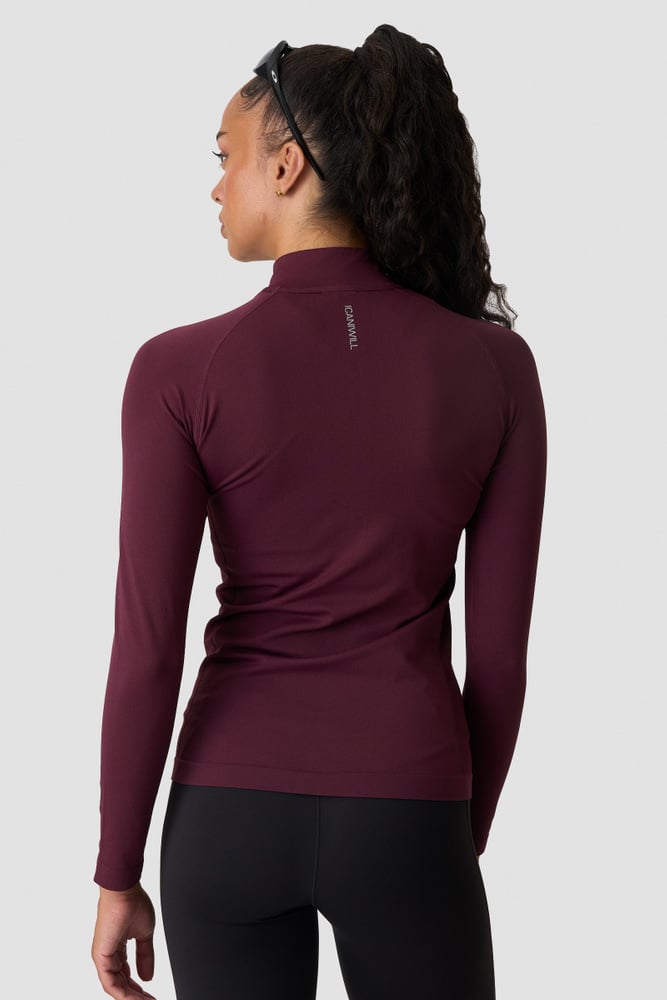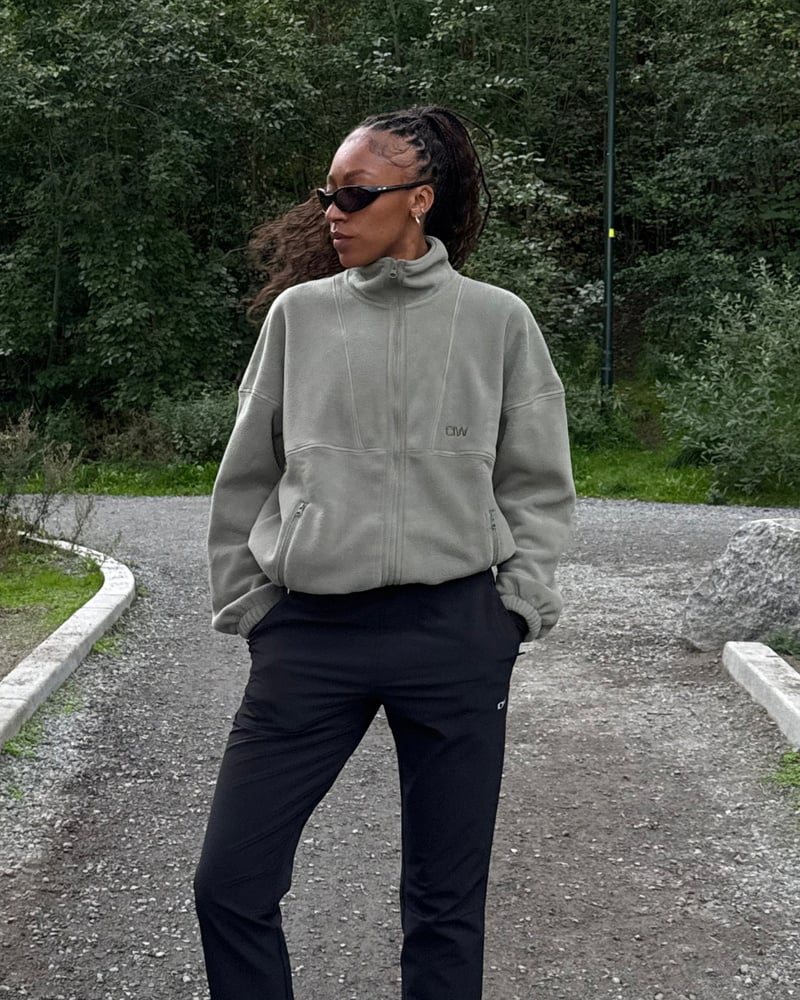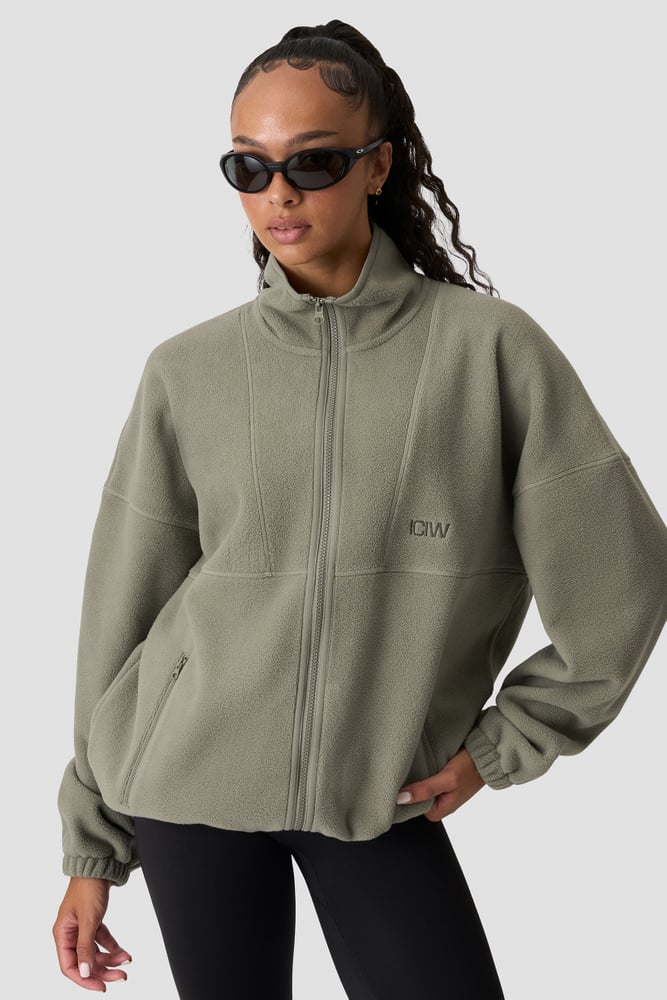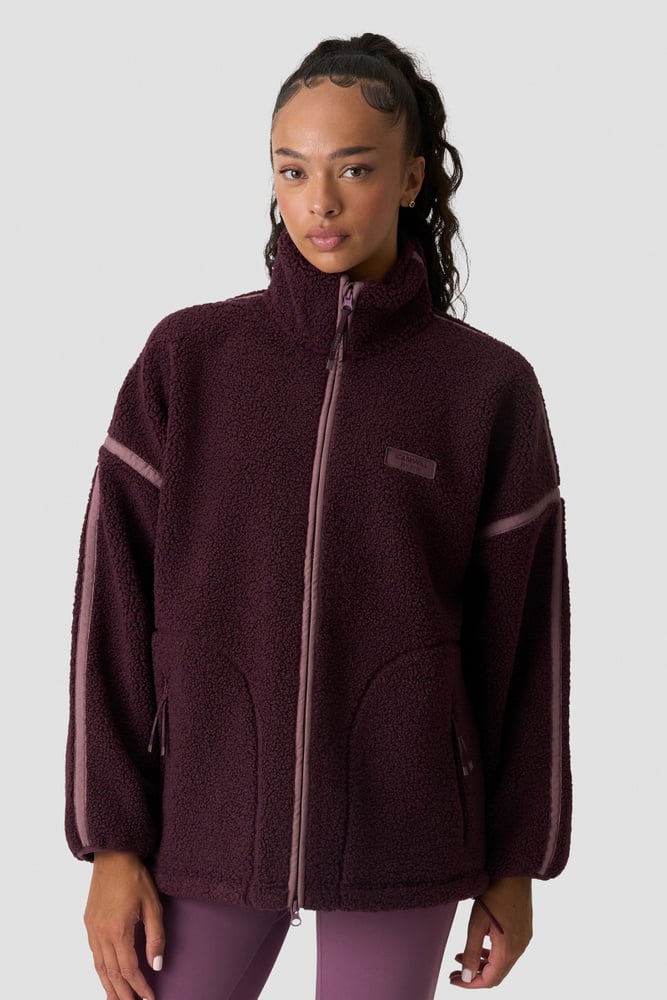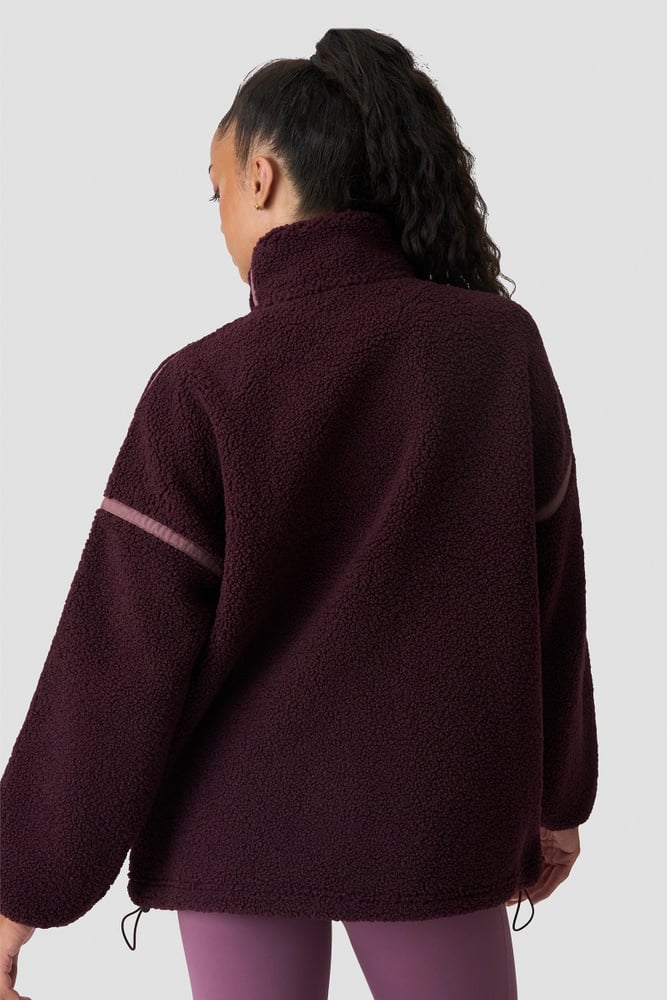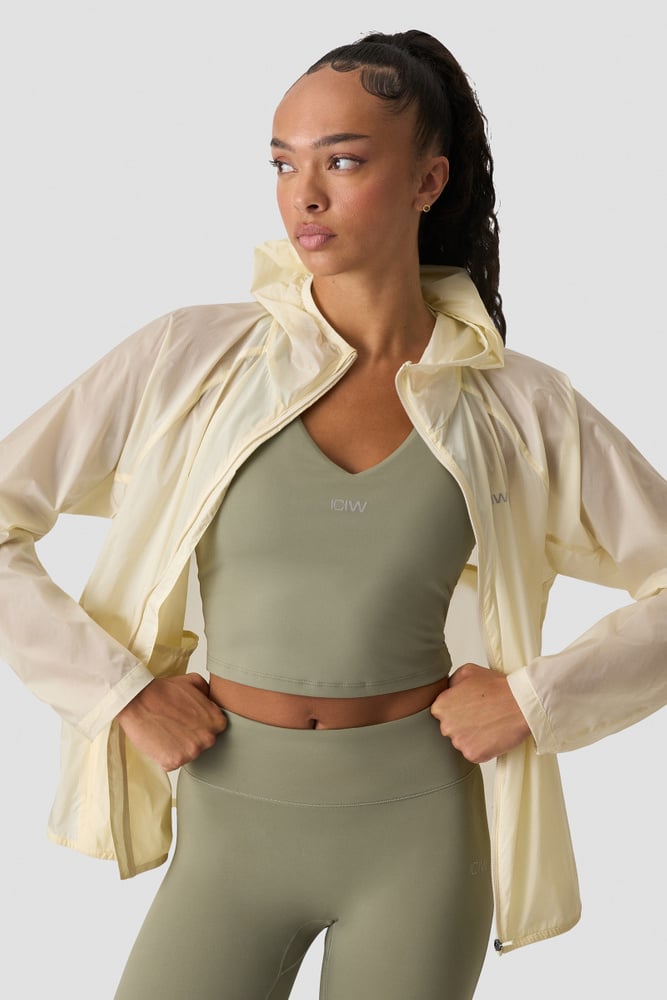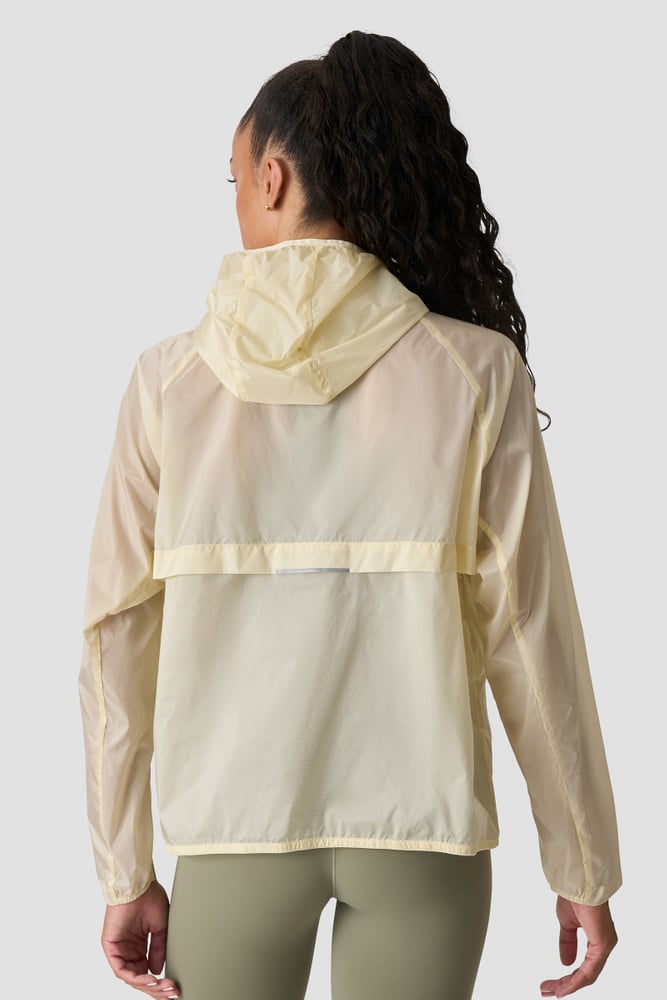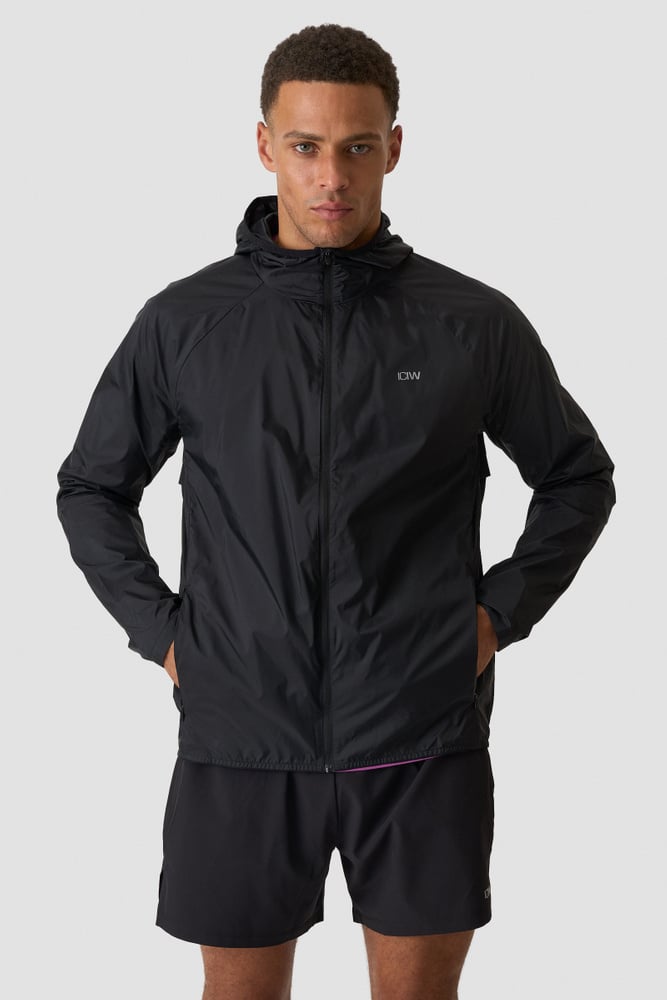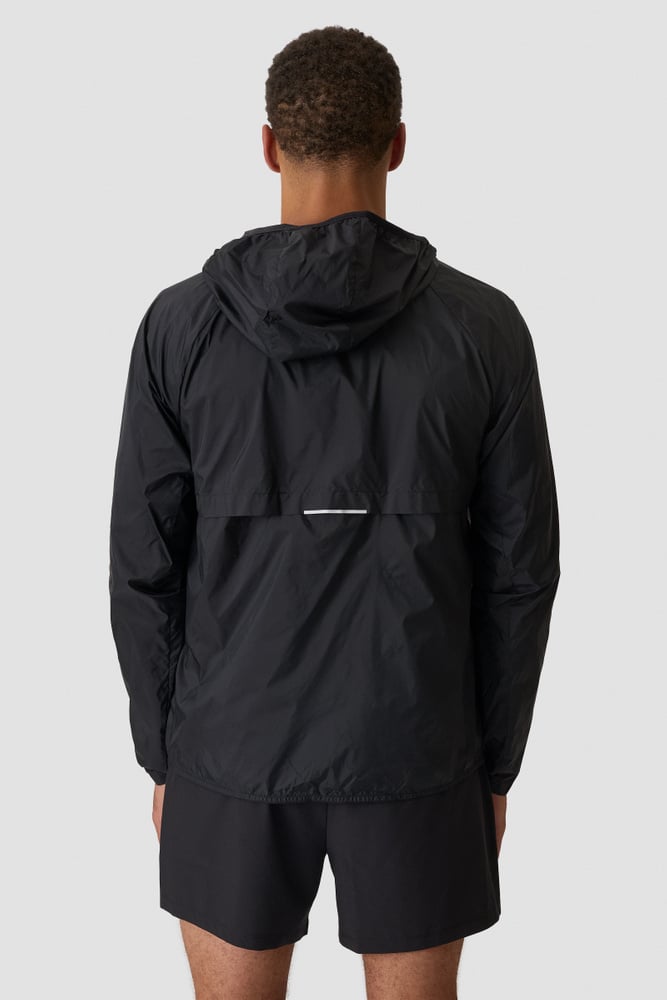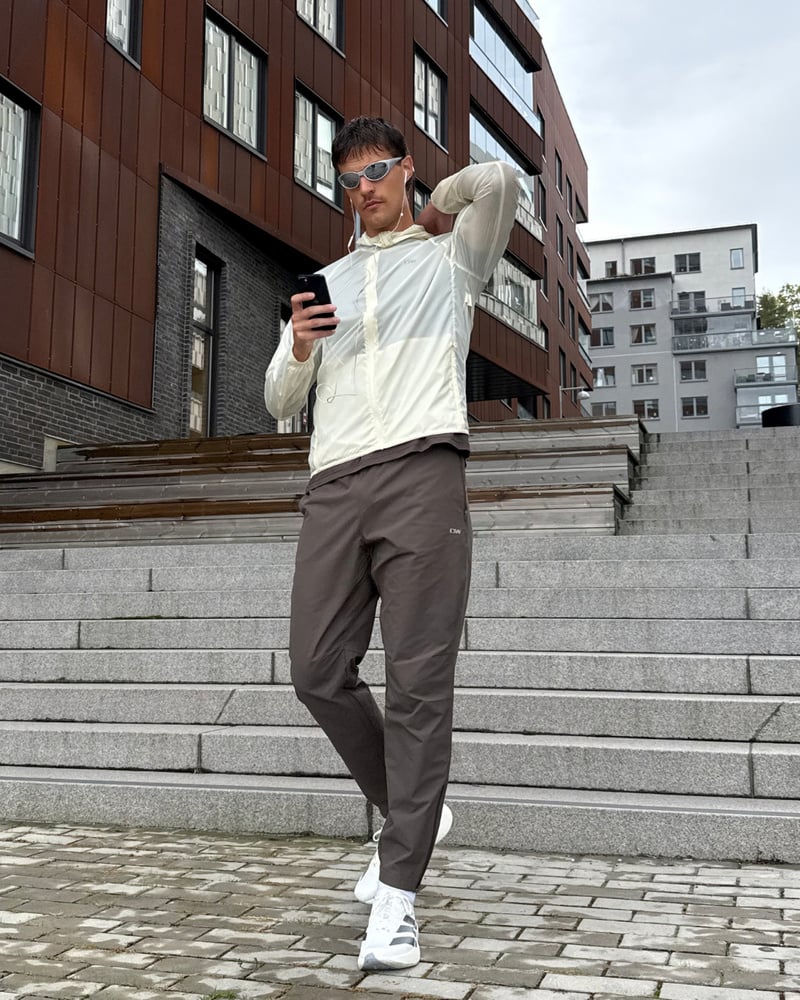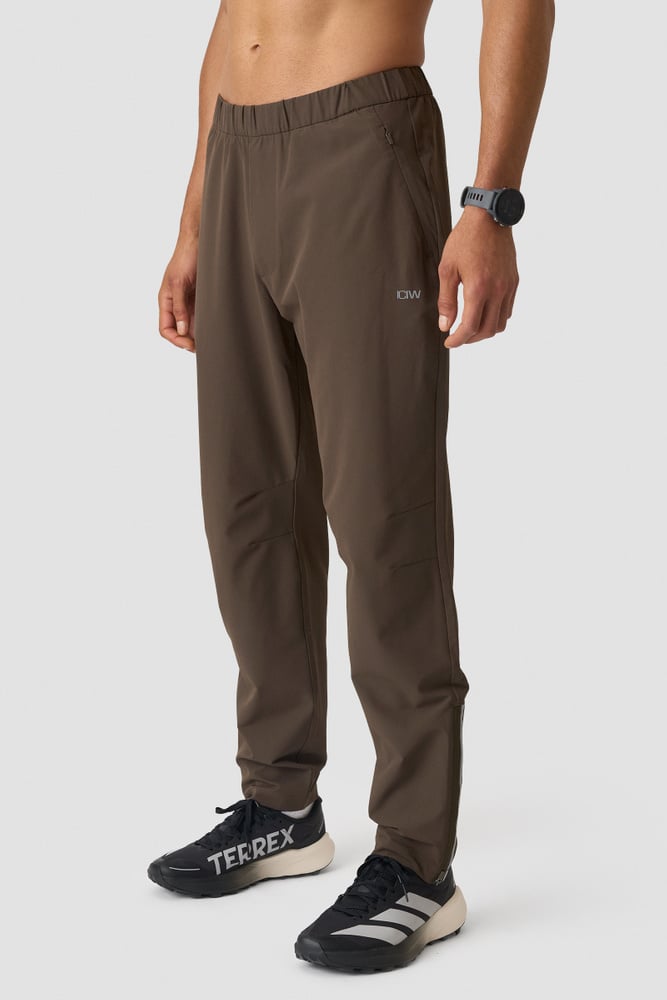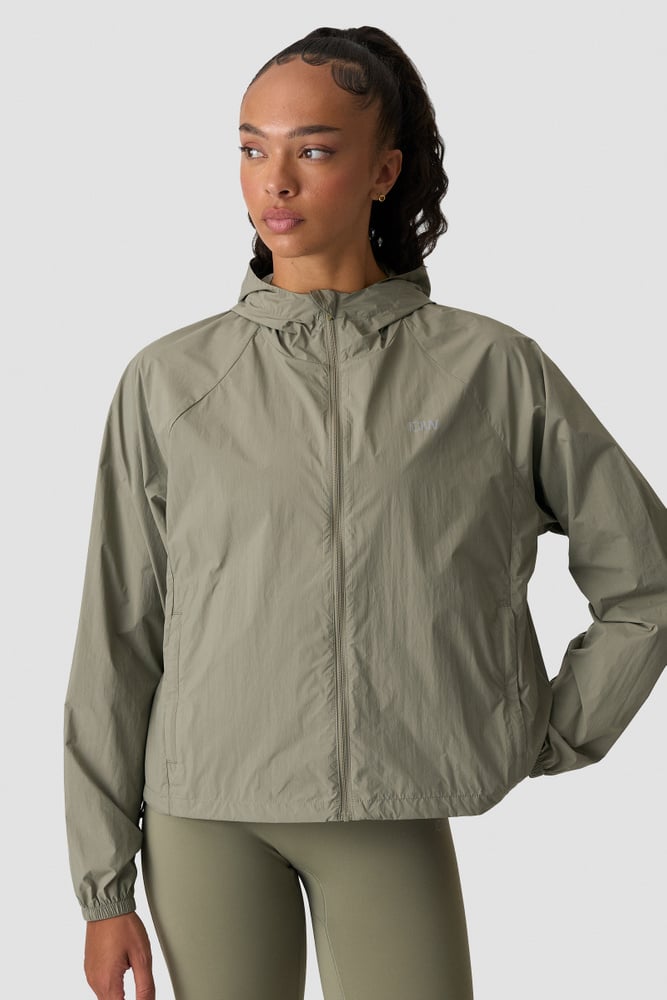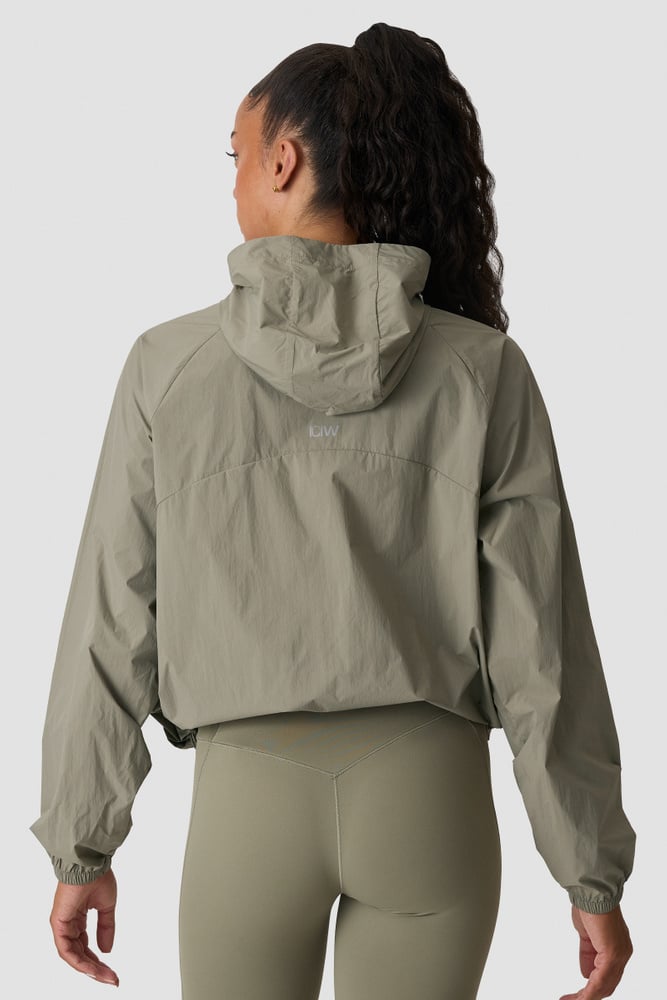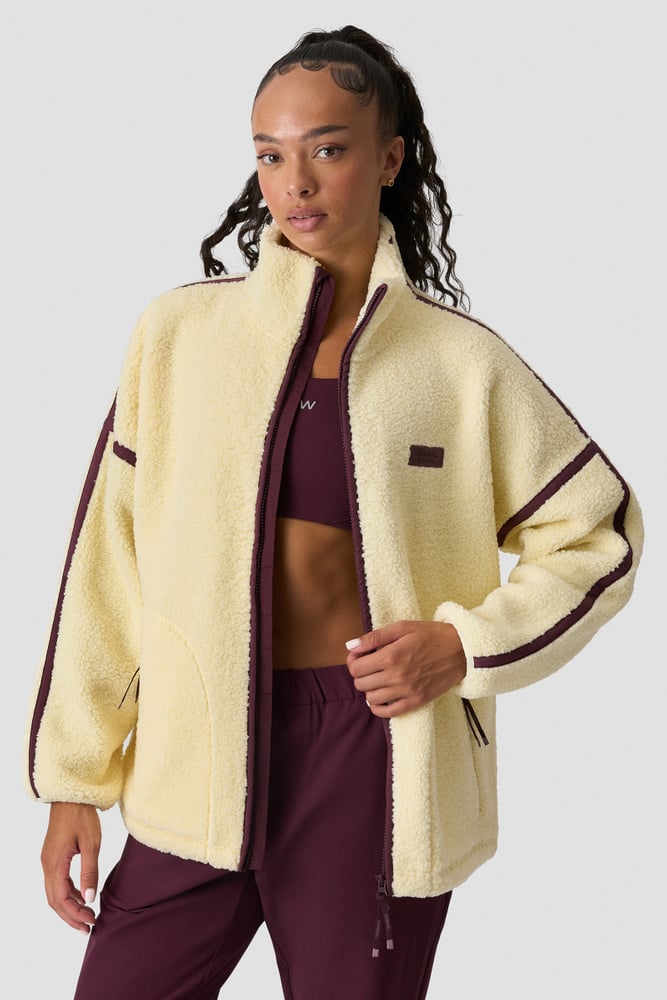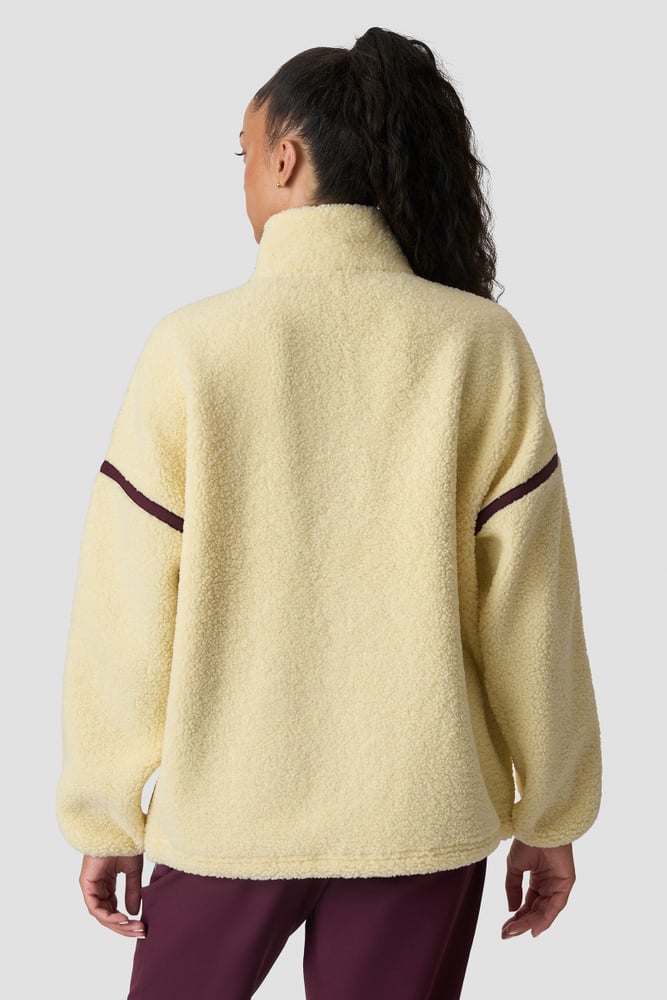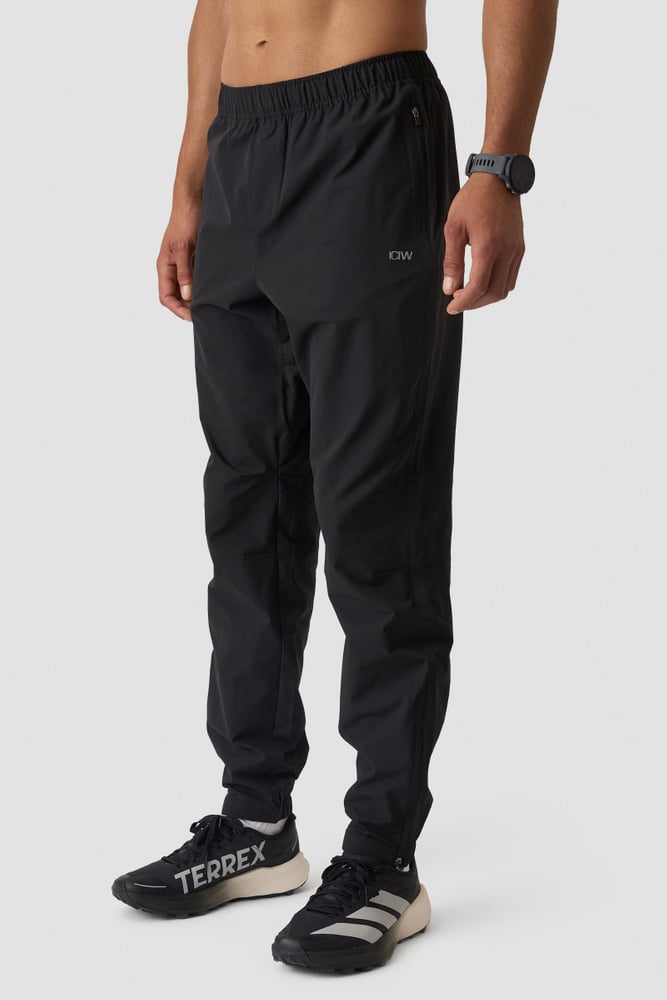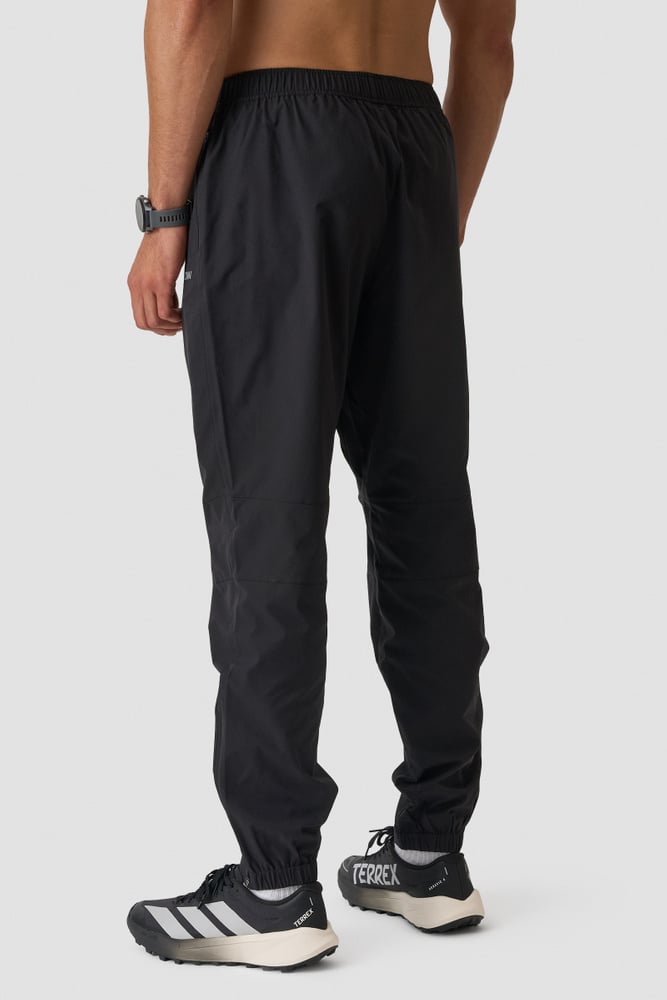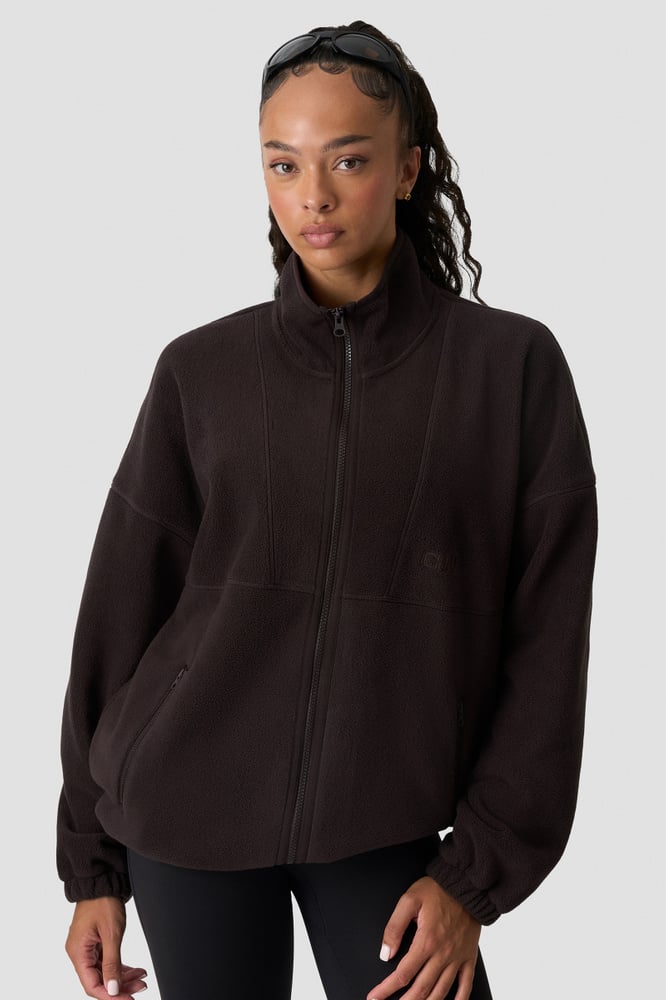
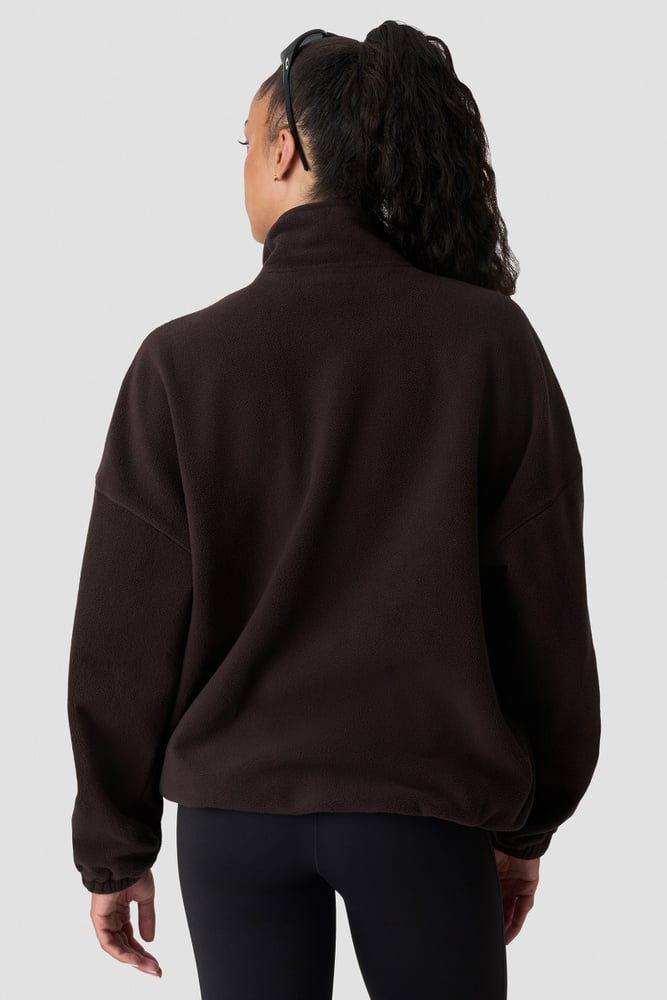
Essential Fleece Umber Brown
CHF 105
CHF 105
+ 3 colori
How to train outdoors all year round
Training outdoors means facing every kind of weather, and the right layers make all the difference.
No matter the weather, smart layering helps you stay comfortable, focused, and ready to perform. Here we answer some of the most common questions about outdoor training, running, and how to dress for changing conditions.
Is a wind jacket enough in light rain?
Yes, for short showers. For longer or heavier rain, choose a waterproof shell with a membrane.
Wool or synthetic?
Wool works best in cold weather or at an easier pace. Synthetic fabrics are ideal when you sweat a lot — or mix both for the best of both worlds.
How do I avoid getting cold after my session?
Put on a vest or a dry base layer immediately when you stop to retain warmth.
What should I wear for outdoor training in winter?
Start with a moisture-wicking base layer, add an insulating mid layer, and top it with a windproof or waterproof shell. Don’t forget gloves and a hat.
How do I dress for running in different temperatures?
Dress in layers you can easily adjust — lighter materials in mild weather, more insulation and coverage as temperatures drop.
Can I wear the same clothes for trail running and city runs?
Yes, but trail running often calls for more durable, water-resistant gear and better grip underfoot.
What’s the best layering system for outdoor workouts?
Base layer to manage moisture, mid layer for warmth, and outer layer for protection — simple but effective all year round.
Do I need different gear for morning vs. evening runs?
Not necessarily, but add reflective details or a headlamp in low light, and consider an extra layer when temperatures are lower in the morning.
CHF 105
CHF 105
+ 3 colori
CHF 95
CHF 95
+ 1 colori
CHF 105
CHF 105
+ 3 colori
CHF 95
CHF 95
+ 6 colori
Avvisami
CHF 125
CHF 125
+ 1 colori
CHF 95
CHF 95
+ 1 colori
Avvisami
CHF 20
CHF 20
CHF 95
CHF 95
+ 1 colori
Avvisami
CHF 125
CHF 125
+ 2 colori
CHF 125
CHF 125
+ 3 colori
CHF 105
CHF 105
+ 4 colori
CHF 15
CHF 15
+ 2 colori
CHF 105
CHF 105
CHF 95
CHF 95
+ 3 colori
CHF 95
CHF 95
+ 6 colori
CHF 105
CHF 105
+ 3 colori
Moisture-wicking next to the skin
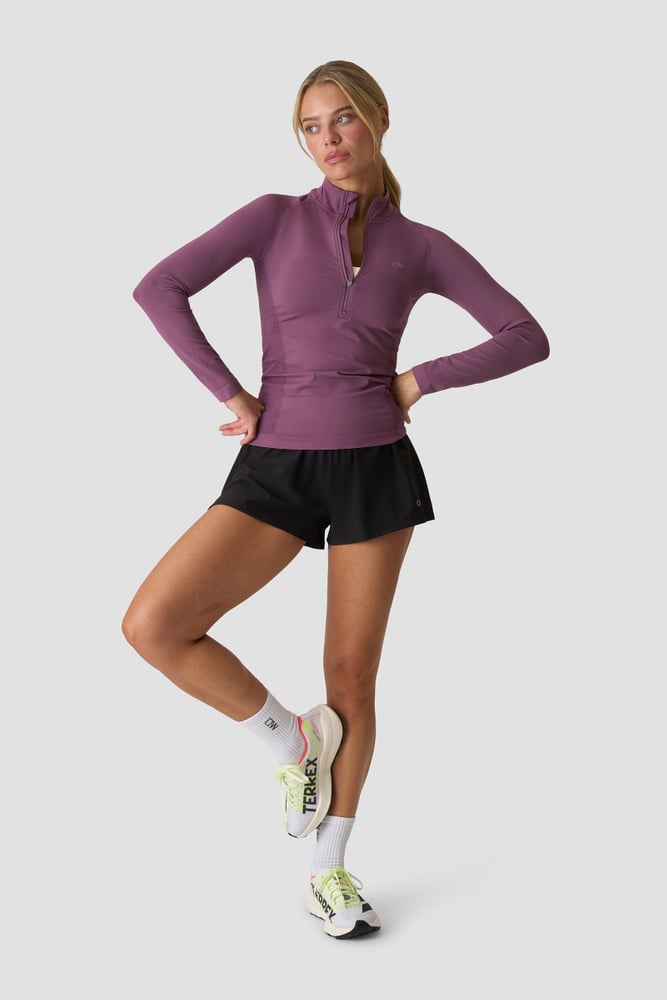
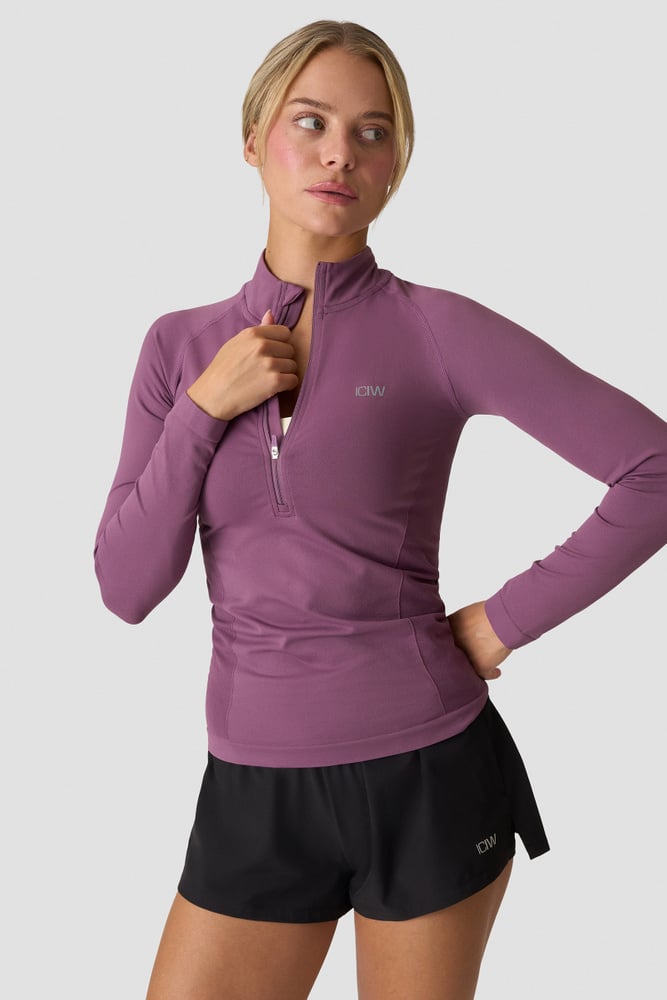
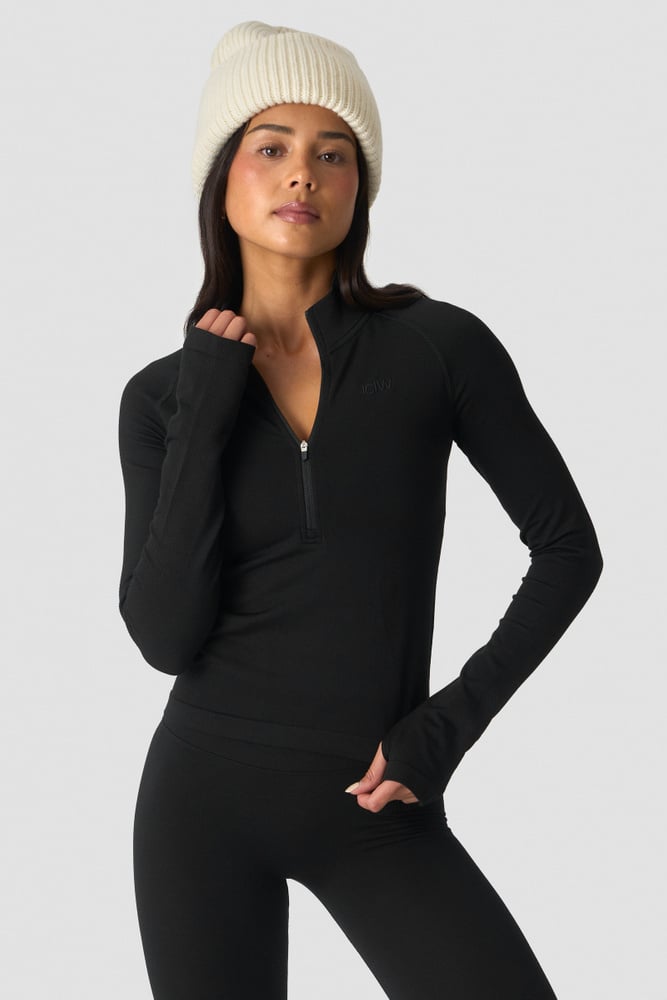
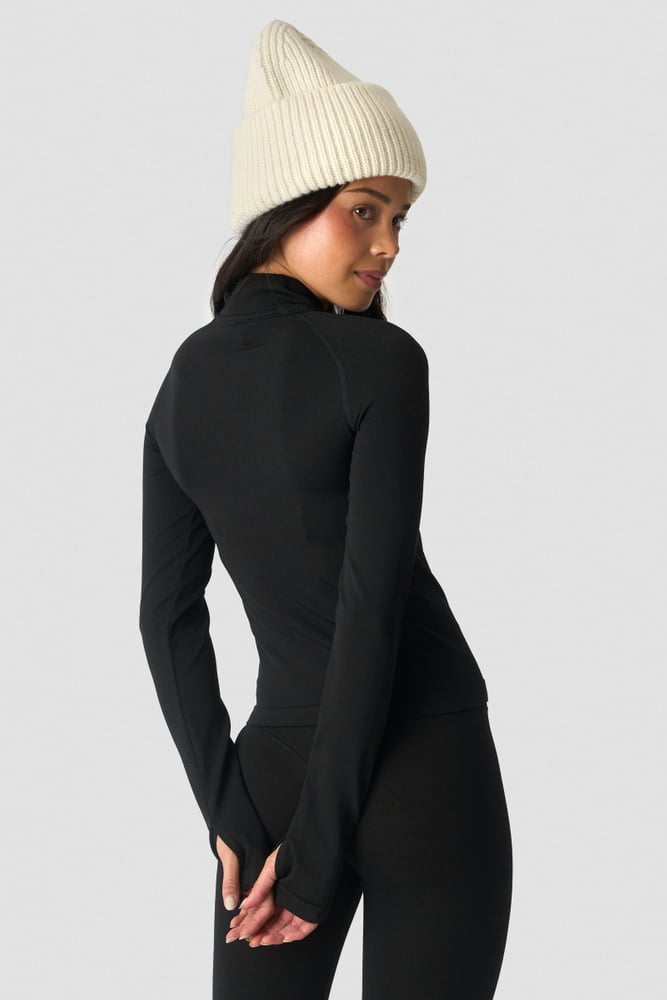
The base layer is the foundation of every cold-weather workout. It sits close to your skin to wick away sweat and keep off the chill that creeps in after a hard interval session or a long hill. For high-intensity running, choose technical synthetic materials that quickly draw moisture away. For a slower pace or colder days, choose a wool blend that stays warm even when damp and naturally resists odour. ICANIWILL's base layers feature flat seams, strategic stretch and smart details like thumbholes to lock in warmth without adding bulk.
How it should fit: like a second skin—snug enough to keep fabric in contact for efficient wicking, but never restrictive. If you can rotate your shoulders and take a deep breath without the hem riding up, you’re in the ICANIWILL sweet spot.
CHF 65
CHF 65
+ 1 colori
CHF 95
CHF 95
+ 6 colori
CHF 65
CHF 65
+ 5 colori
CHF 65
CHF 65
+ 1 colori
CHF 95
CHF 95
+ 6 colori
CHF 65
CHF 65
+ 2 colori
CHF 85
CHF 85
+ 3 colori
CHF 15
CHF 15
+ 2 colori
CHF 75
CHF 75
+ 2 colori
CHF 95
CHF 95
+ 2 colori
Adjustable warmth
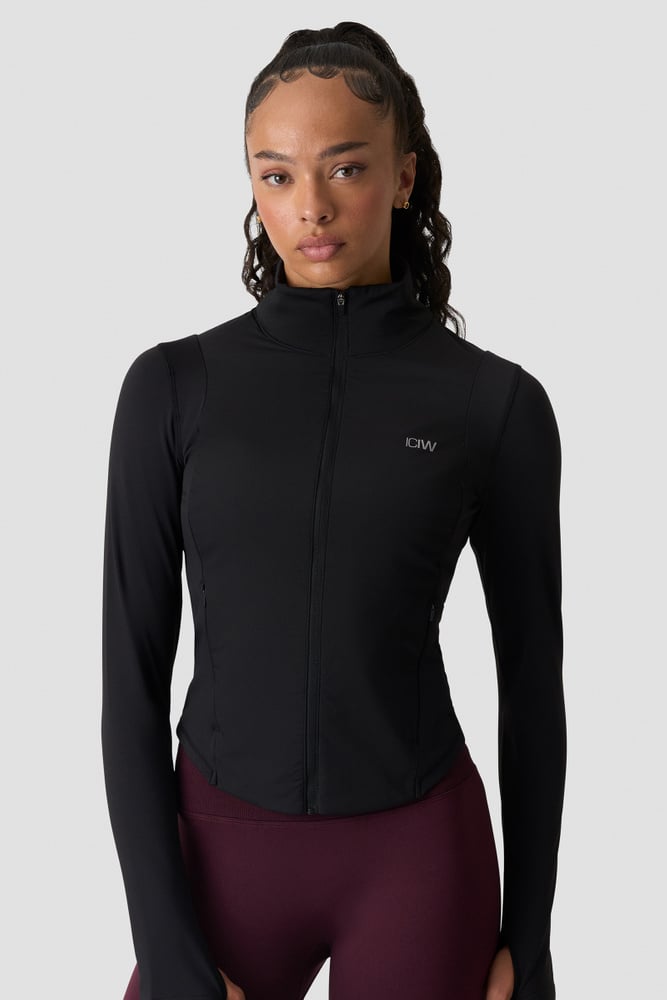
Once the base layer has done its job, the mid layer takes over and provides adjustable insulation. Its task is simple: retain warmth, release moisture and adapt quickly as the intensity changes. Zips, knitted structures and zoned materials are your best friends here. ICANIWILL's mid layers give you warmth you can actually use, not just wear.
How it should fit: Clean over the base, no bunching at elbows or behind the knees, and enough room to breathe hard without pressure across the chest. You want an easy zip you can manage with gloves and a hem that covers your lower back when you’re leaning into the stride.
CHF 95
CHF 95
+ 2 colori
CHF 105
CHF 105
+ 3 colori
CHF 55
CHF 55
+ 6 colori
CHF 105
CHF 105
+ 3 colori
CHF 15
CHF 15
+ 2 colori
CHF 55
CHF 55
+ 6 colori
CHF 95
CHF 95
+ 2 colori
CHF 95
CHF 95
+ 2 colori
Weather protection that moves with you.
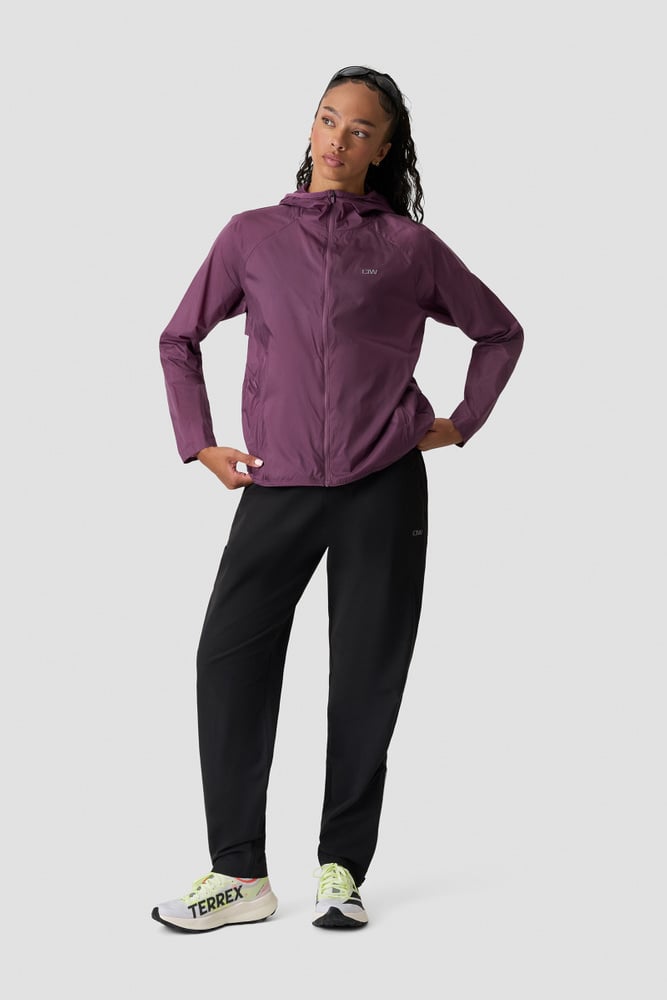
This is your weather protection on the move. It should block the wind, hold off light drizzle and let excess heat escape. A good outer layer makes small adjustments count: opening the zip just a couple of centimetres can release a surprising amount of heat, and zipping up quickly before the top of the hill keeps you from cooling down. ICANIWILL's outer layers balance structure and freedom of movement, so you can keep your rhythm even when the weather turns.
How it should fit: athletic, not tight. You should comfortably layer a base and mid underneath and still swing your arms without tugging at the shoulders or elbows. Look for a soft chin guard, a hood with good side vision, and a drop tail for splash protection.
CHF 125
CHF 125
+ 2 colori
Avvisami
CHF 125
CHF 125
+ 2 colori
CHF 105
CHF 105
+ 3 colori
CHF 95
CHF 95
+ 1 colori
Avvisami
CHF 125
CHF 125
+ 1 colori
CHF 95
CHF 95
+ 1 colori
CHF 105
CHF 105
+ 4 colori
Avvisami
CHF 20
CHF 20
CHF 125
CHF 125
+ 2 colori
CHF 105
CHF 105
+ 4 colori
CHF 95
CHF 95
+ 1 colori